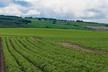
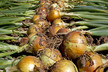
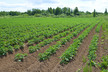
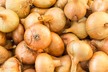
With the warm spring, concerns about drought are starting to emerge among growers. There are already reports from the potato sector that rain is needed soon. For onions and shallots, the situation is already critical, and organic grower Pieter Vandooren also notes that rain is urgently needed. "I think we've had a maximum of 30 liters of water in the last three months, which is extremely dry. For now, we can still manage with irrigation, but if it stays like this in June or July during the cauliflower and leek harvest, it could become a serious problem."
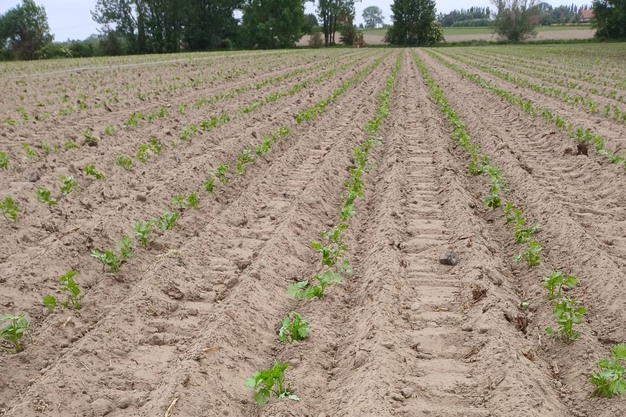 © Pieter Vandooren
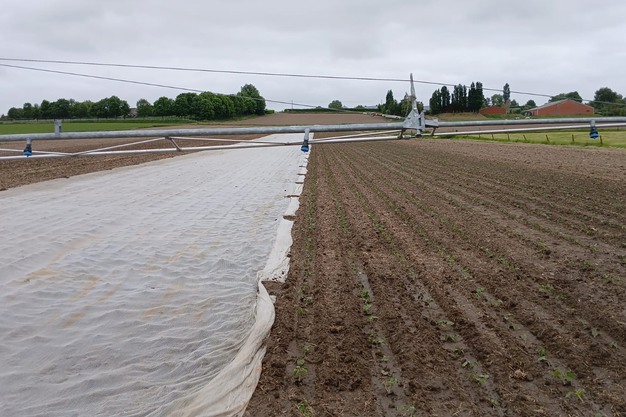
Currently, the grower from Hooglede, Flanders, is busy with celeriac, fennel, pumpkins, leeks, and cauliflower. "However, we see that the top layer of the soil is just sand. There is almost no moisture left in the soil," Pieter explains. "Everything needs water during planting; otherwise, it will wither quickly. Fortunately, we previously invested in water supply solutions, such as building wells. Back then, we were allowed to use the soil to raise low-lying plots, but that's no longer permitted today."
 © Pieter Vandooren
"We are now benefiting from that investment. At least it allows us to irrigate adequately for now, but many of our colleagues don't have this option. They rely on rivers or streams for water, but water abstraction bans are already being issued. If it stays dry for a while, these bans will likely expand. Although there are many concerns at the moment, it is not yet a disaster. But if it stays dry for another month, I fear it will become one."
 © Pieter Vandooren
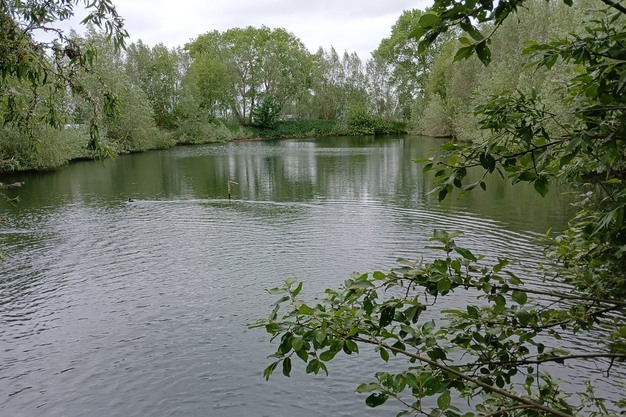
"One of the wells we built in the past. Back then, we were allowed to use the soil to raise low-lying plots. Now this is no longer allowed."
Despite the situation, Pieter can still manage the drought for now. "Everything is still at a relatively early stage. We have enough water to irrigate during planting, but from June or July, when the cauliflower and leek harvest begins, we will need much more water. That's when it could become a problem, especially in West Flanders, where using groundwater is not really an option. We will have to wait and see. Here they always say: 'Don't try to solve problems that don't exist yet.' Let's hope it rains soon. You would think it can't stay dry for months, and if it does rain, everything could suddenly look different. Then we will have worried for nothing."
 © Pieter Vandooren
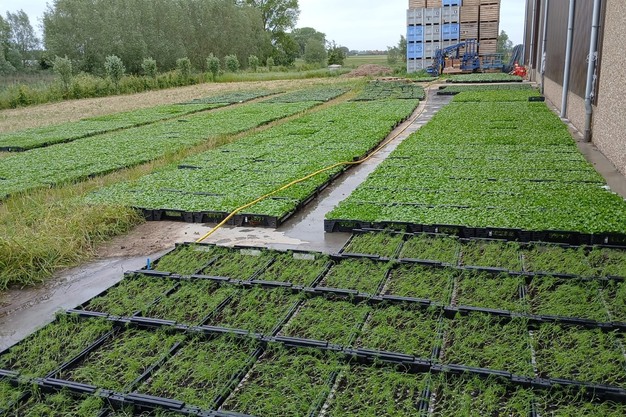
Plant-ready fennel, celeriac, and squash
Still, the organic grower sees that extreme weather is not benefiting cultivation. "Especially in terms of pricing. We haven't had a normal year in the past decade. It is becoming increasingly expensive to keep everything on track. But we hardly see this reflected in pricing. This applies to both organic and conventional produce. In fact, it would even be better to have too much rain around this period because then prices would go up. With all the sunshine this year, spring has been ideal, and as long as we can irrigate, everything is growing perfectly. This keeps prices down, but we still face the costs of irrigation. And I fear that won't improve in the coming years."
For more information:
Pieter Vandooren
[email protected]