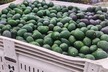
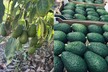
Guatemala's avocado industry is poised for growth as it eyes the U.S. market. Despite receiving U.S. import approval six months ago, Guatemala has yet to export avocados north. The country aims to leverage its proximity and European export experience to tap into the growing U.S. demand, traditionally dominated by Mexico. Currently, approximately 7,000 hectares are dedicated to avocado cultivation, with projections to expand to around 30,350 hectares within a decade, according to Francis Bruderer, president of the Guatemala Avocado Producers Association.
Initial estimates by Guatemala's agricultural ministry suggested an export volume of 1,700 metric tons to the U.S., potentially increasing to 15,000 metric tons by 2030. However, a newly imposed 10% U.S. tariff on imports, including those from Guatemala, may affect these projections.
A new avocado packing facility in Barberena, developed by California-based Mission Produce, is set to open in August. The facility is expected to employ several hundred workers and significantly strengthen Guatemala's capacity in the international avocado market. Juan Rodolfo Wiesner, Mission Produce's president for South and Central America, stated, "Guatemala is an emerging power in the international avocado industry, and Mission Produce leads the region's development for worldwide avocado production."
Despite these advances, final U.S. government approval of Guatemala's export protocols remains pending. Inspectors must certify shipments as pest-free—a mandatory condition for U.S. market entry. Additionally, the 10% tariff presents a competitive challenge, as Mexican avocados enter the U.S. market without any duties.
Economic uncertainties continue, with economist Ricardo Barrientos highlighting a cautious approach among businesses as they await government negotiations with the U.S. Nonetheless, Guatemala could benefit from Mexico's internal challenges, such as rising security concerns and regulatory changes in Michoacan, the country's key avocado-producing region.
As the sector grows, Guatemala will also need to address potential security issues and environmental concerns, including deforestation and water use. The agriculture ministry notes that "large companies use drip irrigation to optimize water resources" and stresses the importance of good agricultural practices to ensure both sustainability and productivity in the avocado sector.