Due to the reduction of Spain's garlic acreage last season, garlic stocks are significantly lower than in previous seasons at the moment, and prices are soaring. Given the lower Spanish supply, Europe is importing much more garlic from China.
"We estimate a reduction of between 30 and 40% in the Spanish garlic supply compared to the usual levels of the last five years," says Juan Carlos Navarro, Manager of the producing and trading company Big Garlic.
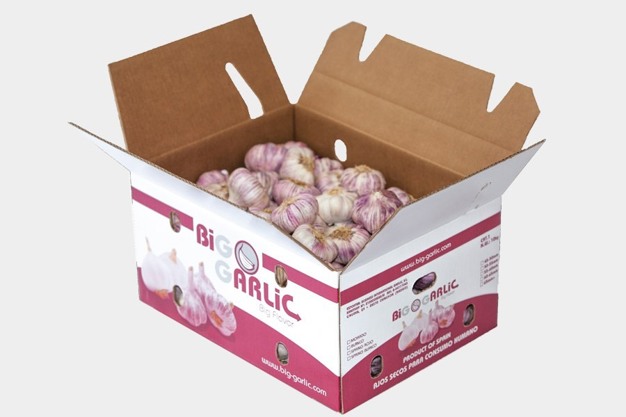
The acreage in Spain has been significantly reduced in recent years due to various factors. "Firstly, growers have faced considerable losses after two consecutive seasons with adverse weather conditions during the harvest, which made it hard to keep the acreage at the same level due to the investment cost required," says Juan Carlos.
"Secondly, there has been an increase in the Agroseguro premium, together with more limited risk coverage, as well as greater agrochemical restrictions in Europe, which has led to higher costs and lower yields per hectare. Moreover, the sector has been affected by the increase in energy costs and the rising cost and shortage of qualified labor," says the manager of Big Garlic, "This combination of factors has made sector restructuring necessary, so prices have had to be adjusted to the new market reality," he says.
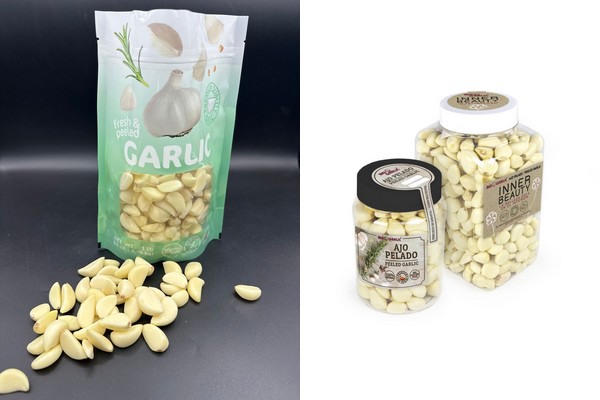
Sales of Spanish peeled garlic have fallen and the convenience food sector is going through difficult times. "We don't have enough raw material to meet Spain's global demand for processed garlic. This year has been particularly difficult. Although many clients understand and accept the exceptionally high prices due to the rising cost of the raw material, in many cases we are unable to deliver the total volume of their orders," says the manager of this company based in the municipality of Elche, in the Spanish province of Alicante.
Given the current shortage of Spanish garlic, China is managing to increase its presence in the European market. "Although China's production is still mainly intended for its domestic market, the combination of a slight drop of domestic consumption and higher global demand has allowed them to export more," says Juan Carlos Navarro.
"Europe still prefers Spanish garlic, but faced with insufficient Spanish garlic production, many importers are turning to Chinese garlic, despite having to pay a full tariff (€1.20 per kilo plus 9.6% ad valorem) when importing outside the quota established by the WTO. This explains why we are seeing notably more Chinese garlic in Europe than in previous years," says the grower and exporter.
According to Juan Carlos Navarro, the acreage could recover in the next few years after the slump of the last two seasons, although he warns that this won't happen overnight.
"Unlike industrial processes, agriculture follows natural cycles that do not allow for instantaneous changes. However, as in any segment of the market economy, the sector can adapt gradually. The current imbalance between supply and demand will lead to a readjustment in both acreage and prices until the balance is restored, probably in the next two seasons," says Juan Carlos Navarro.
 For more information:
Juan Carlos Navarro
Big Garlic
Tel.: +34 9654331 27
Tel.: +34 609601654
[email protected]
www.big-garlic.com