While there is some availability of the tropical fruit Mamey Sapote on the marketplace already, more intense harvesting will begin next month. "We don't harvest until the end of March. That's when we really know they're ready," says A.R. Produce's Frank Martinez.
Supply of the fruit is coming from Florida and the crop is looking similar to last year's. "Mamey is a fruit that you can't import from any country–it's one of the few items produced in Florida that's not jeopardized by imports," he says.
The state produces two main varieties of Mamey–Magaña and Key West. "Ten to 15 years ago, the Magañas used to start harvesting in April-May and now people are harvesting them in January," he says. "I don't like that type of program because a good percentage of the fruit being harvested in January and February are not ready yet." The fruit is also stronger priced at that time though not always fully ripe and ready to consume.
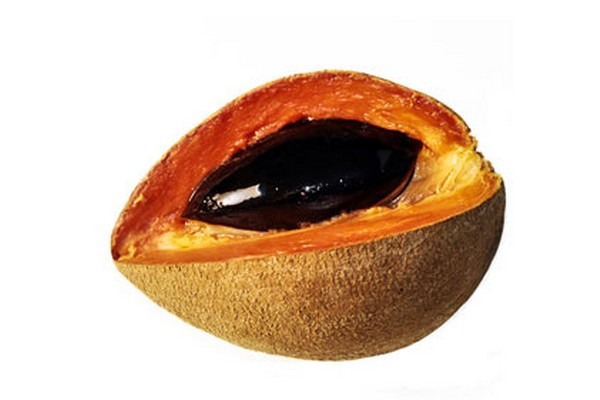
March harvest
A.R. Produce's growers begin harvesting the Magañas in March and that goes until between May and June. Then, it switches to harvesting the Key West variety of Mamey for another month or two, depending on volume.
As for demand, it's always strong for Mamey. "The big difference between these two varieties is the size. Magañas that weigh 3-7 lbs. which is huge, those are the ones retailers don't prefer. Some don't want to start with that variety and instead wait for Key West because it's a small to medium-sized fruit–about .5-2 lb. per unit," says Martinez. With pricing between $2-$3/lb., that leaves pricing strong on the fruit.
Meanwhile, he expects pricing to look similar to last year. "Last year was a very decent price and we didn't see a drop in price and we expect this year to be the same," says Martinez.
 For more information:
Frank Martinez
A.R. Produce
Tel: +1 (786) 229-5766
[email protected]
http://www.arproduce.us/