Rambutan are coming into stronger volumes right now.
Andres Ocampo with HLB Specialties in Fort Lauderdale, Florida says the Guatemalan season is in full swing for rambutan. “We are already a month into our first arrivals and Guatemala is starting to reach full capacity with good quality fruit,” he says. Growing regions within Guatemala switch between August and September which means Guatemalan fruit will continue arriving until November, possibly even December.
At the same time, Mexico, which began its season a few weeks after Guatemala, also began harvesting rambutan and also has consistently increasing supplies. “I don’t expect Mexico to be at full capacity for another few weeks though. But volumes are definitely ramping up,” Ocampo says. Mexico finishes its season generally October-November.
Weather watch
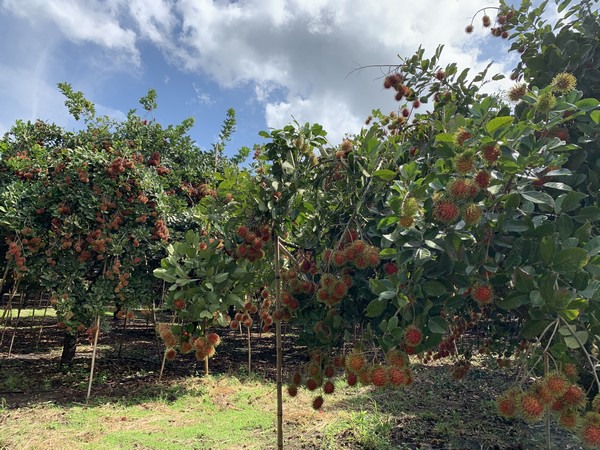
Given the growing regions rambutan is coming from, Ocampo is on watch for storm systems that could potentially affect supplies. “Just in the last couple of days, there was a system over the Pacific but it hit just north of the rambutan producing regions which are mostly located in the south of Mexico. It did bring some rains and clouds which delayed maturation but nothing too significant,” he says. Later in the summer, eyes turn towards the Atlantic and systems developing there.
Overall, volumes look similar to last year and are possibly even slightly higher than 2021’s volume of rambutan so far.
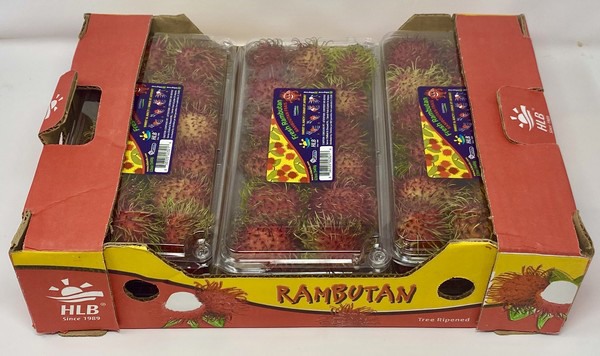
“The biggest challenge now is the logistics to bring the product to the U.S. Airspace is limited and very expensive. Since the pandemic, freight rates have increased and by now we’re facing pretty strong challenges in costs, including air freight. That’s impacting the selling prices we can offer in the U.S.,” Ocampo says. While 2021 was already challenging in accessing space, things have gotten even worse in 2022. “The main air carriers for freight are moving their planes to more profitable routes and that’s leaving us with fewer choices and creating the opportunity for the airlines to raise prices. Airfreight is becoming a larger and larger component of the price of the fruit,” he adds.
Higher air freight costs
That means that higher prices for rambutan aren’t necessarily translating to better returns to growers. “It’s merely covering the cost of air transportation being more expensive than last year. We’re trying to at least give them the same price as last year even if that’s already less profitable for them because of increased costs,” says Ocampo.
Looking ahead, while so far demand has been good for rambutan, abating any concerns over whether higher priced fruit would impact demand, the question is: will it stay as strong once more local summer fruits become available and consumers have more options? And also, how does general inflation affect consumers’ choices of what they purchase?
“It’s difficult to see how the season will play out. However, more and more retailers are bringing the item onto their shelves and increasing their orders year after year. As more people get exposed to it, they’re starting to demand it,” says Ocampo. “We may still see growth, even in this economic situation. So I’m optimistic, but cautiously optimistic.”
 For more information:
Andres Ocampo
HLB Specialties
Tel: (+1) 954-475-8808
[email protected]
www.hlbspecialties.com