The artichoke campaign has already started in the Spanish region of La Rioja, although with a considerable delay compared to last year. "This year, the campaign started with complications. In December, rains caused the Ebro river to overflow, which led to significant flooding that affected quite a few of our members' farms. In fact, 50% of our organic artichokes were lost."
"Moreover, in February, we had frosts for 3 continuous weeks. These did not cause the plants to dry out, but delayed the start of the harvest," says Rodrigo Mauleón, of Frutos del Campo. "We started harvesting a couple of weeks ago and we are obtaining the same volumes now, almost in mid-April, as we were in February last year."
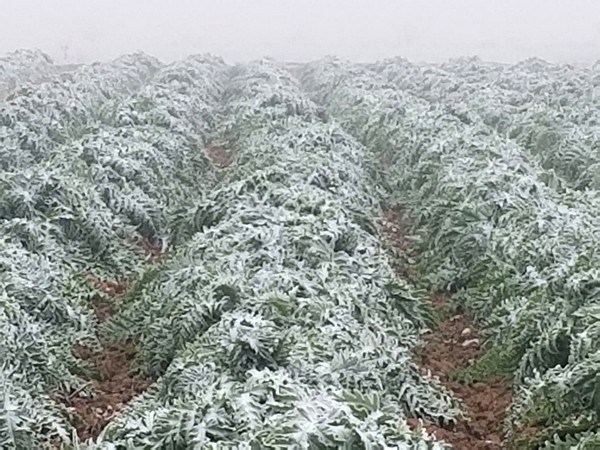
"Until April is over, the risk of frost will continue to be a threat, but that's not the only problem we could have. We are afraid of the weather becoming hot at any given moment and excessive production volumes arriving all of a sudden. Most of our production is intended for the fresh industry, and only a part of it goes to the canning industry, but with a production peak we would be forced to ship more to the industry."
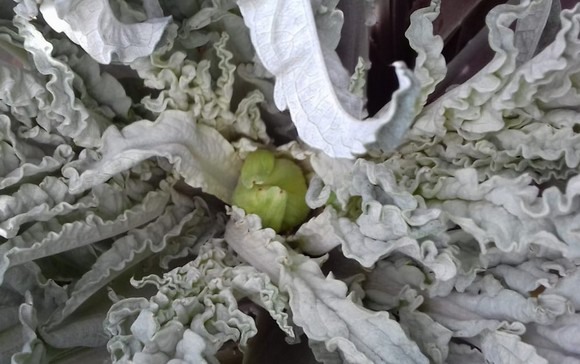
"At the cooperative Frutos del Campo we are focused on the cultivation of organic artichokes, which account for 80% of our production. This product is doing very well in the fresh market, and even in the canning sector there are significant increases, given the high demand both in the domestic and the international market."
"Last year, we supplied 4 canneries, and this year they wanted to acquire larger quantities; however, due to the floods recorded in December, we knew we were not going to be able to meet every order. In a normal year, our growers produce between 400 and 500 tons of artichokes and this year we expect to obtain 200, although we still have to see how the campaign will develop, because everything will depend on the weather."
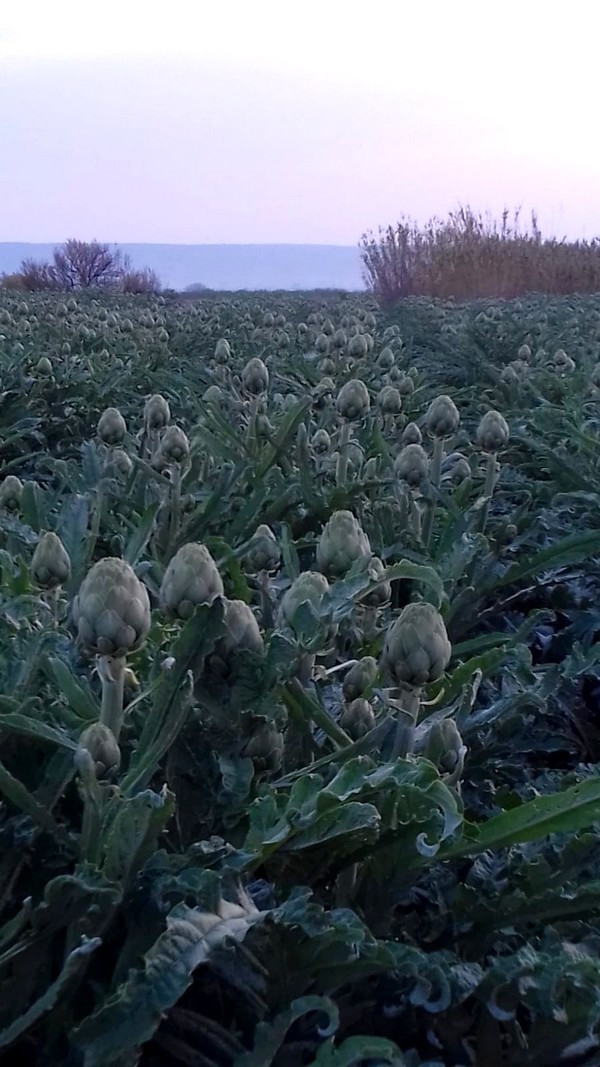
"Normally, we start the campaign in February and it lasts until May 20, but this year, if the weather permits it and there are no weeks with very high temperatures, we could have artichokes until June, and thus, although with a lower production, we would be able to take advantage of the gap usually left in that period by Andalusia and Murcia."
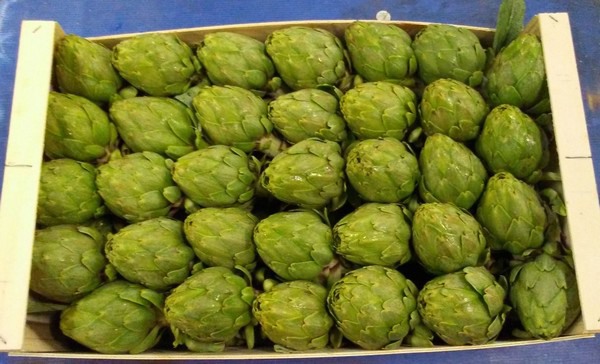
"Our fresh production is mostly intended for the domestic market. We sell mainly to Catalonia, Madrid and the local market in our region, where artichokes with the calibers and characteristics of the ones we produce in La Rioja are in demand," says Rodrigo. "We are also trying to develop the export market with our organic artichokes."
"We have already started selling some volumes in France and we are trying to open the German market. In fact, we were at Fruit Logistica, in Berlin, to meet with customers and learn about the artichoke characteristics that are in demand in Germany, so that we can adapt our product to meet those demands," says Rodrigo Mauleón.
 For more information:
Frutos del Campo
Av. Gonzalo de Berceo, 81
26559 Aldeanueva de Ebro
La Rioja, Spain
Tel.: +34 941 14 23 26
[email protected]
http://frutosdelcampo.es