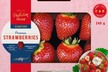
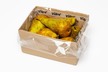
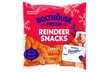
When oranges aren't sold loose on the shelf, they very often come in red, mesh bags. The packaging may seem plain, but according to Reader's Digest, it's specially designed to make shoppers want to buy the product.
The color orange "pops" when paired with the color red more so than it does with yellow, green, or blue. That means when you see a bunch of oranges behind a red net pattern, your brain assumes they're more "orange" (and therefore fresher and higher quality) than it would if you saw them on their own. That's the same reason red is chosen when making bags for fruits like grapefruits or tangerines, which are also orange in color.
For lemon packaging, green is more commonly chosen to make the yellow rind stand out. If lemons were sold in the same red bags as other citrus, the red and yellow hues together would actually make the fruits appear orange. Lemons can also come in yellow mesh bags, and the bags for limes are usually green to match their color.
Next time you visit the supermarket, see if you can spot the many ways the store is set up to influence your buying decisions. The items at eye-level will likely be more expensive than those on the shelves above and below them, and the products near the register will likely be cheaper and more appealing as impulse buys. Check out more sneaky tricks used by grocery stores here.
Source: mentalfloss.com