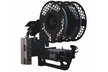
Drone AG start-up, Dropcopter, based in California and central New York, recently made headlines as the first company to successfully pollinate almonds, cherries and apples using drones.
Depending on environmental conditions which dictate the effectiveness of bees, the company has demonstrated an effective increase of 25% to 60% pollination set (cherries and almonds). It means that in cold weather and during bee shortages there’s a viable alternative to dependency on insect pollination.
Their recently publicized apple trials show more complex, but intriguing results. Apples are not grown in the same way that almonds are. If an apple orchard sets too much fruit, it requires the grower to hand thin the less desirable apples; a significant increase in labour cost.
What Dropcopter’s controlled apple trial has shown is that the artificial cross-pollination of the “King blooms” has increased the size of the crop to be harvested. And bigger fruit equals better price.