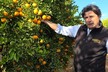
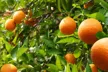
This campaign, the Seville-based company Naturgreen, a member of the Iberhanse group, has exported its first citrus fruits, labelled with the logo of the World Wildlife Fund (WWF), which guarantees their sustainable cultivation.
This business group, headquartered in the municipality of La Algaba, is a leader in citrus exports (oranges and clementines) in terms of volume and is ranked third or fourth as regards the shipment of stonefruit (peaches and nectarines) to foreign markets. One of its main markets is Germany, with the German distribution chain Edeka being one of its major customers.
Edeka has been working with the WWF on certain sustainable agriculture initiatives, which is how the "Zitrus Edeka" project was started, featuring citrus fruits produced by Naturgreen in the Vega del Guadalquivir.
The idea that drives this project is the cultivation and marketing of sustainable citrus, enforcing environmentally-friendly agronomic practices that contribute to the improvement of biodiversity, the efficiency of water use and the use of the most harmless chemicals.
"Zitrus Edeka" started a year ago in about 200 hectares of citrus crops that Iberhanse cultivates in the farm El Esparragal, so the first oranges produced in a sustainable manner have been harvested this campaign. WWF is in charge of controlling the production process; after the harvest, the citrus fruits are labelled with its characteristic panda bear seal. Lastly, Edeka is in charge of distributing the sustainable crops in its numerous stores.
The good practices enforced "have yielded great results. This year we have reduced the number of treatments applied thanks to the performance of the indigenous auxiliary fauna," points out Felipe Fuentelsaz.
The harvest this campaign has been "similar to the previous ones in terms of volume," according to the WWF, with the advantage that "these citrus fruits reach a higher price on the shelves."
WWF will work on improving citrus cultivation in El Esparragal for "about three more years," and the plan for 2017 is to introduce these environmental practices into new farms and "expand from 200 to 800 hectares of sustainably grown citrus."
Source: sevilla.abc.es