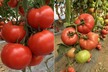
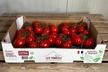
The tomatoes and cucumbers from Almeria, which in winter share the market almost exclusively with Moroccan or Turkish exports, are now competing also against Central European products, especially those from Poland or the Netherlands.
The report of the Andalusian Prices and Markets Observatory for week 12 of the 2016/2017 marketing year reveals that the first batches of Polish tomatoes have already been bought by European distributors, although still in a small proportion. Meanwhile, the Dutch supply of cucumbers is increasingly remarkable, which is motivating distributors to buy more from this origin. "For some weeks, British supermarket buyers have been moving away from Almeria and switching to the Dutch supply, but Almeria continues to supply products to large retailers in countries such as Germany and Austria," highlighted the Observatory report.
The shift towards countries which, because of their geographical location, have a competitive advantage over Almeria, has a direct impact on the prices of the products. Most tomato varieties, with the exception of smooth tomatoes, which are mainly consumed in the domestic market, have recorded price drops compared to week 11.
The price of cucumbers has fallen again in the second half of March and stands at very low levels ahead of the final stretch of the autumn campaign (Dutch peppers cost 0.32 Euro/kg; Spanish peppers, 0.45 Euro/kg; French peppers, 0.25 Euro/kg).
The average price of peppers has fallen significantly in the penultimate week of March. The campaign is at a very advanced stage for the majority of Almeria's plantations and the quality of the production is typical for this period.
Peppers are starting to be unable to travel great distances, as the product would not arrive in optimal quality conditions, and this is taking a toll on prices. Murcia's production is gaining ground and large European distributors are increasingly getting their supply from Murcia, to the detriment of the Almerian production.
The Dutch pepper supply, although not as representative as Murcia's for the time being, is starting to hit the market with the first red and yellow bell peppers. Many of the commercial programs set up with international clients come to end at the end of the month, contributing to the depreciation of bell peppers this week.
Source: lavozdealmeria.es