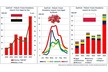
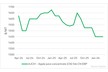
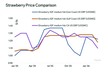
Fruit prices are rising after the festival for a variety of reasons. In the southern region of China, the orange is an auspicious fruit which is an essential purchase for the Spring Festival. But last year the rain and cold weather affected citrus production while demand remained heavy, resulting in higher prices. The Spring Festival is the high tide for all fruit sales and this year saw the wholesale price for apples rise by nearly 30% on New Year's day. Some imported fruit is also very popular.
In the past two years, prices for imported fruits have generally been kept low as retailers pursued cheap promotion strategies to entice Chinese consumers to become familiar with the product and recognise its superior quality. In addition to cherries, South African imported grapes, Chilean grapes, avocados, American apples, oranges, Israeli grapefruit and Australian nectarines have all become very popular with Chinese consumers.
After the Spring Festival, data on special purchases over the holidays have been issued. A JD.com analysis showed that fresh category sales grew by nearly 4 times over the same period in 2016, and imported fresh sales grew by more than 14 times. The Alibaba group, in special purchases for the Spring Festival Festival, (native) ranked tenth overall and third for fresh fruit.
A series of foreign trade agreements and an improvement in the foreign trade environment have been conducive to the expansion of the import and export market. The development of domestic fruit standardization and improvements in the overall quality level, have promoted the export growth of fruits and fruit products. The increase of domestic incomes, and increasing demand for high quality and diversified fruits, have also helped the growth of fruit imports.