Horticulture Innovation Australia (HIA) has been criticised by Australian nut industry leaders, who accuse the body of failing to grasp the importance of their exports, reports abc.net.au. Nut industries now earn half of Australia's horticultural export income.
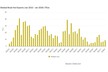
Rapid growth in almond, macadamia and walnut production has lifted the export earnings to just under $1 billion this year.
But the Australian Nut Industry Council chairman, Jolyon Burnett, told a national tree nut conference that Horticulture Innovation Australia (HIA) had not grasped the importance of nut exports outside Asia.
"I think there's been a bit of a disconnect there and now I think they lack the understanding of the industries they're genuinely trying to support. I don't question their motives, but the understanding is not there.
"So they make policy decisions like setting Asia as the focus of their export and trade program, without understanding that nuts, which are 50 per cent of exports, has half of its trade going to Europe.
"So they've immediately left out 25 per cent of Australia's horticultural exports."
Mr Burnett said the lack of recognition was frustrating when there was so much focus by governments and others on growing exports.
He said that, in the next two years, Australia's tree nut industries would exceed a billion dollars in exports, as more orchards became established.
Mr Burnett said nuts had broad consumer appeal and were "on-trend" with the move to paleo and gluten-free eating.