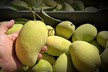
Loquats or Japanese plums, just don't call it a kumquat
A loquat is not a kumquat.
Unlike the citrus fruit, the fuzzy yellow loquat is kin to apples and pears. And it's beloved in the Lowcountry, where urban foragers every April freely harvest them by the bushel. Avowed loquat fans Matt and Ted Lee included a loquat cordial in "The Lee Bros. Charleston Kitchen," but it's permissible to enjoy them straight from the tree (eating around the sizeable seeds.)
Loquats are Asian immigrants: The trees also are known as Japanese plums. Although they're grown commercially on the West Coast, they're ornamental trees in Charleston, N.C.. Since they're not always grown for their fruit, the squishy orbs often end up scattered on the streets and sidewalks, unless loquat lovers find them first.
To that end, there's an online loquat locator for the peninsula. The map, which also tracks figs and mulberries, hasn't been updated since 2012, but it's a good starting point for loquat hunting.
Of course, while many tree owners will welcome the harvesting help, it's always wise to ask permission before plucking.
Source: postandcourier.com