Shunned at home, Fukushima fruit farmers turn to Southeast Asia for turnaround
Farmers and officials in the prefecture are now hoping that sales in Southeast Asia will help soften the impact of embargoes in other export markets. “We also hope Fukushima fruits can win a high reputation in Southeast Asia to offset the negative public image back in Japan,” said Yasunobu Wadayama, a deputy sales promotion chief in the prefectural government.
Annual export volumes have hovered around 50 tonnes over the last decade or so, and rose to 70 tonnes in 2009. But Taiwan and Hong Kong, which together imported more than 90 percent of that volume, have banned all imports of Fukushima farm products since the nuclear crisis began.
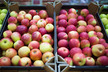
Thailand, which is close enough to receive fresh Fukushima peaches, has not shown the radiation fears that are evident in other areas. In August last year, Fukushima Prefecture and local farming groups invited about 20 Thai retailers to a prefectural institution that screens products for possible radioactive contamination. The retailers were told that only peaches found free of radioactive substances were being shipped. The Thais were also taken to a peach orchard, where they could sample the fruit. The first serious exports of Fukushima peaches and apples to Thailand took place the following autumn. Two tons of fruit were sold out at four Bangkok department stores, mostly to wealthy customers who could afford paying about 800 yen ($8) for a peach and 300 yen for an apple.
“The buyers likely placed trust in Japan’s screening system and made rational decisions,” said Koichi Okamoto, a first secretary for the Japanese Embassy in Thailand who attended the sales event.
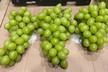
Exports of Fukushima fruit to Malaysia also began this year. A combined 2.5 tonnes of peaches, along with 250 kg of pears and 80 kg of grapes for trial marketing, were sent to Thailand and Malaysia in August and September. They were all sold out at department stores in Bangkok and Kuala Lumpur.
There are plans to increase exports of Fukushima fruits next year. But the small circulation still means that most of the earnings will go into transportation and other expenses.
Source: asahi.com