UK: Apple growers hoping for Indian Summer
The cold and windy Spring affected flowering and pollination and many tiny apples fell in the annual June drop as they battled through a chilly early Summer. The season is running two to three weeks behind schedule and now farmers are hoping for a late surge of heat to boost the size of the main crop of apples as the early varieties, such as Egremont russet, begin to appear in shops from Saturday.
The size of the harvest this year is disappointing for farmers and retailers alike, as thousands of hectares of new apples have been planted in the last few years in a bid to supply growing demand for homegrown fruit.The amount of land devoted to apple orchards rose 10% between 2009 and 2012 and is set to rise by another 7% over the next couple of years. This is because new varieties and more intensive growing techniques have made English apples more financial bountiful for farmers. Production has also been lifted by new more prodigious varieties.
The new orchards mainly contain varieties such as Gala, Braeburn, Jazz and Cameo, all developed overseas and enthusiastically taken up in the UK. They produce larger, high quality apples for longer periods of the year and have proved popular with shoppers and supermarkets who like a consistent supply rather than seasonal gluts.
That means traditional UK varieties such as the Cox and russet are – literally – losing ground. The amount of land devoted to Cox is down by 5% since 2009 with russets down 23.5%. Meanwhile, Gala and Braeburn are up 49.5% and 67% respectively.
Sales of Jazz, the fastest growing apple variety in terms of popularity, have risen by more than 75% since 2009 according to Kantar Worldpanel, the market research firm, while Pink Lady sales are up more than 25%, partly thanks to a glitzy marketing campaign.
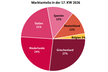
For the moment, though, Pink Lady still accounts for only about 7% of all apple sales in the UK, just ahead of the Cox, which is only available for a short period of the year. Both, however, are well behind Gala and Braeburn, which together account for nearly half the market.
One supermarket buyer said: "There's no doubt customers love Pink Lady and British growers are concerned about that. But we source all the varieties we can from British growers and customers like the idea of buying fruit grown close to home."
Source: theguardian.com