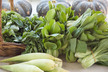
Mini vegetables, salad greens, kiwis and other "alternative" and tropical fruits are strengthening Spain's position in Europe, with a growing supply of diversified products, spread throughout the year and with fewer competitors.
Roberto García Torrente, director of Cajamar's Agribusiness and Cooperative Service, believes that Spain can grow even more, but more diversification is needed.
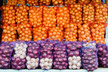
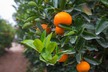
As an example, he said that Valencia "must not abandon" citrus, which have always been "a part of its identity" and the traditional source of income, but kakis, pomegranates, kiwis, loquats or avocados can also be introduced.
In his opinion, plantations should be larger, at least 20-25 hectares, more intensive and with earlier varieties, and there should be more support for agribusinesses, such as the production of fruit juice.
The director of Ruralcaja Valencia Foundation, Carlos Baixauli, affirmed that Valencia excessively depends on citrus, and after three straight years of low prices, diversification has become crucial.
Baixauli highlighted the opportunities that kiwis bring. They have been grown in some plantations, despite difficult adaptation to the weather, with an annual consumption of 2 kilos per person in Spain, in a market currently dominated by New Zealand.
Obtaining high productivity and maximum quality should be the goals for kiwi producers, despite the fact that a large initial investment is needed and that PSA bacteria can destroy everything.
He added that pomegranate consumption could rapidly increase after the recent discovery of their antioxidant power, so opportunities are open for this crop and also for avocados and flat peaches.
The latter consolidates in Catalonia with 3,700 hectares (47,000 tonnes in 2012), after a sharp 41% inter-annual increase, according to the Agricultural Cooperatives Federation.
Blueberries have gained ground in Huelva (largest Spanish producer) and are becoming common in Asturias and Cantabria.
Sources of Cantabria's firm Campoberry said that "the future is looking bright, with considerable opportunities for growth," which will lead the firm to expand from 10 to 100 hectares to be able to meet growing European demand.
"We expect to export from 300,000 to 400,000 kilos per year," stated the same sources.
In Almeria, sellers of "bites" or mini vegetables (cucumbers, cherry and baby tomatoes, peppers, courgettes or watermelons), such as Agromullor, Canalex, Ejidomar or Nature Choice have reached success, and strawberries have also been properly introduced in greenhouses (Unica Group), according to Coexphal.
In recent years, Murcian agriculture has been characterised by diversification, and according to the president of the Region's Federation of Agricultural Cooperatives (Fecoam), Santiago Martínez Gabaldón, up to 7 or 8 different lettuce varieties are produced, as well as kakis, cherries, apricots, citrus (oranges, lemons or grapefruits) and many other products.
Source: EFE