UK: Cornish pineapple worth 10K
Horticulturalists created tropical conditions using small greenhouses heated using a chemical reaction between 30 tonnes of manure, urine and piles of straw.
The gardens originally grew pineapples in this way in the 19th century and began to do so again after the 20th Century restoration. The 19th century originals were actually rented out to wealthy families to use as dinner table decorations.
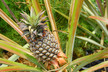
Eight of the rare pineapples are now developing and botanists say they cost around £1,200 each to grow.
But one of the fruits is now ready to harvest and is thought to be worth around £10,000 because of its rarity, production values and the unique location.
But despite its high value, the freshly harvested pineapple will not be sold but cut up and fed to garden staff.
James Stephens, a Lost Gardens spokesman, described the pineapples as "deliciously sweet, not stringy, and with an explosive flavour".
He said: "In an ideal world we'd use about 90 tonnes of manure over the course of year which isn't cheap to source and transport.
"We've struggled to get good manure this year so we've had to use electric heaters.
"It is just staff who get to taste the fruits as a thank you for their hard work. It can take up to two years to grow each pineapple so it's only fair.
"If it was sold in a charity auction or the open market it could fetch up to £10,000 because of how unusual it is.
The pineapples are grown in a 4ft-deep trench in a 40ft-long "pineapple pit" section of the botanical gardens.
They are developed under 30 tonnes of manure and are regularly soaked in horse urine.
Source: telegraph.co.uk