The shifting agricultural landscape of South Korea
The same claims suggest that regional specialities - such as tangerines from Jeju and peaches from Chengdo - are losing their meaning, as rising temperatures make their cultivation easier in other parts of the country.
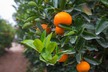
It has already been several years since tangerines, Korea’s signature subtropical fruit that used to grow only on Jeju Island, started to be harvested inland in South Jeolla and South Gyeongsang Provinces.
Peach cultivation has geographically expanded as the risk of frost damage has been far reduced in recent years.
In the past, only the North Gyeongsang region including Cheongdo County used to meet the optimal annual average temperature of between 11 and 15 degrees Celsius for growing peaches. But now, peaches grow nicely in North Chungcheong and Gangwon Provinces as well.
Grape cultivation has also shifted northwards. Generally speaking, grape cultivation has fallen in recent years anyway, as cheap imports became available from South America. However, as cultivation gives way in the traditional grape growing areas, the production in northern areas is still growing.
The land used for growing apples, a fruit of the temperate zone, is shrinking as temperatures rise.It dropped from around 50,000 hectares in the mid-1990s to the 30,000-hectare range recently.
Now there are calls for growers to take heed of what is happening and shift to new crops that better reflect the climate of the area they are operating in.
Source: koreaherald.com