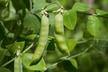
UK pea growers are facing losses of up to £65 million (US$82 million) per year due to crop viruses, with new research trials underway to assess the impact and support management decisions.
Turnip Yellows Virus is identified as a key risk to vining pea crops, with potential yield losses of up to 40 per cent. Existing estimates are largely based on modelling, with limited field data available. The new project, supported by Defra's ADOPT fund, will investigate virus infection levels in commercial crops and provide guidance on when control measures are required.
Changing weather patterns are affecting pest pressure, with earlier aphid migration linked to climate conditions, increasing exposure to infection earlier in the growing season. Later spring drilling is identified as a contributing factor to higher risk. The project is led by the Processors and Growers Research Organisation (PGRO) in collaboration with growers from the Green Pea Company network. Field trials will focus on generating practical data under commercial conditions.
Researchers will apply sequencing techniques to identify virus presence in crops, including infections without visible symptoms. Erin Matlock, research agronomist at PGRO, said trials will assess different aphicide programmes and application timings across crops drilled at different dates. She said: "By comparing treated and untreated tramlines, the trials will provide practical evidence on when intervention is justified and when it may not be necessary."
The results are intended to support decision-making on pest control and reduce unnecessary input use. The work forms part of Defra's ADOPT-funded Farming Innovation Programme, delivered with Innovate UK, focusing on farm-based trials to generate applied data for growers.
Source: Farminguk