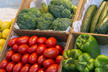
The Cordillera office of the Department of Agriculture has reported that supplies of highland vegetables are expected to remain stable through the Yuletide period, despite reduced output in some production areas following a series of weather disturbances.
According to the Department of Agriculture Cordillera Administrative Region, there are no current indications of shortages in highland vegetables up to the first quarter of next year, based on ongoing monitoring of production and market flows. The agency said some vegetable farmers in Benguet, Mountain Province, and Ifugao were affected by recent weather events, but parts of the sector have since resumed production.
DA-CAR regional executive director Jennilyn Dawayan said weather disturbances over recent months affected some growers, while others were able to recover and restore production levels ahead of the year end period. This recovery is expected to support market availability during the Christmas and New Year season.
The agency noted that farmers affected by typhoons last year who qualified for government support are currently receiving approved assistance. Those impacted by Typhoon Uwan will receive support at a later stage, as damage assessments are still being completed and submitted to the central office for fund allocation and release.
DA-CAR also stated that vegetable prices are linked to supply levels. According to the agency, stable availability supports price stability, while buying prices respond to supply and demand dynamics.
Seasonal logistics patterns were also highlighted. The department explained that deliveries from farms to trading centres typically slow down in the days leading up to Christmas and New Year. Traders usually complete purchases several days before the holidays, resulting in reduced activity shortly before and after these dates. Normal trading volumes are expected to resume once the holiday period ends.
Looking ahead, DA-CAR indicated that buying prices could decline in February and March next year. This is linked to the possibility that farmers who replanted after weather disruptions may harvest at the same time, increasing supply levels in the market.
More than 80 per cent of the Philippines' semi-temperate vegetable supply is produced in Benguet, Mountain Province, and Ifugao, where vegetable farming remains a primary source of income.
The department said it will continue monitoring production and market movements as the season progresses.
Source: HeraldExpress