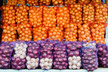
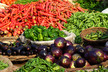
Zimbabwe's agriculture commodities market is navigating mixed fortunes amid currency volatility, impacting the availability and affordability of basic products. The country's open air vegetable markets, a barometer for the agriculture sector's performance, offer insights into commodity availability and pricing. These markets, where agriculture produce is traditionally available year-round, have seen shortages due to diminished commercial agriculture production. The scarcity of commodities such as onions, tomatoes, and potatoes during what was once a thriving winter cropping season has raised concerns over the long-term production of staple agriculture commodities. Surprisingly, even with Zimbabwe's history of basic commodity shortages, the scarcity of green produce has caught many consumers off guard.
Shortages have led to basics like tomatoes and onions costing more than double their regular price, attributed not directly to inflation, but to farmgate shortages. Supermarkets, typically stocked with potatoes, have also faced shortages.
The Zimbabwe Mercantile Exchange (ZMX), established in 2021, aims to improve the availability of agriculture commodities in local markets. However, its success has been limited as farmers, often under contract, are unable to sell directly to willing buyers on the exchange. Contract farming has been controversial, with some farmers breaching contracts to sell to private buyers, exacerbating market shortages.
Seasonal vegetables have suffered due to hostile weather conditions, with excessive heat hindering their growth and leading some farmers to abandon their efforts. Despite initiatives like ZMX to promote farm produce, tangible interventions for consistent farm to market delivery have been minimal.
Source: proagri.co.za