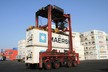
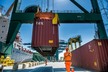
Maritime transport has experienced disruptions and severe delays in the arrival of merchandise at its final destination since the irruption of the pandemic. According to MasContairner, even though the situation in terminals and intermodal services tended to stabilize towards the end of 2021, the truth is that it is already at new peaks, and the situation continues to worsen, mainly in the United States and Europe.
According to a study carried out by Flexport, transporting a container to its port destination in transpacific connections used to take 45 to 50 days and, based on the last survey carried out on January 2, 2022, now takes an average of 110 days. Meanwhile, the time to transport containers in the routes between Asia and Europe has gone from an average of 55-60 days to 108 days now.
According to a report by the Jefferies banking entity, port congestion and inefficiencies will continue to be the usual trend as a result of the reduction in the speed of ships, diversions to other ports, containers that remain stuck and are not circulating, and increased discharge times.
Meanwhile, COVID-19 will continue to drive citizens' spending on new items, and shipping rates could achieve a new record high in the coming weeks.
Source: mascontainer.com / simfruit.cl