According to a report by international advisory firm, Konfidants, only 26% percent of consumable goods sold in Ghana's leading supermarkets are produced in-country. The report is the second in a series after a first publication in 2019, is aimed at monitoring local content to help track progress for the government’s push for more local content in leading Ghanaian supermarkets.
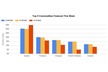
While processed/manufactured goods constitute the majority of goods surveyed (84%), only a small percentage of them are Made-In-Ghana (23%). On the other hand, unprocessed goods, which make up 16% of all goods surveyed, have a Made-In-Ghana share of 40%. The report however noted that a large percentage of unprocessed Made in Ghana goods (84%), had been either pre-cut or packaged, a step in the right direction of value addition, albeit small.
The report covered nine leading supermarkets and two popular fuel station marts in Accra: Shoprite (Accra Mall), Game (Accra Mall), Palace Supermarket (Palace Mall), Koala (Osu), Maxmart (37), City Dia (La), Melcom (North Kaneshie) and Marina Mall Supermarket (Airport), China Mall (Spintex), Baatsonaa Total (Baatsonaa), Airport Shell (Airport).eight leading supermarkets in Accra including Shoprite (Accra Mall), Game (Accra Mall), Palace Supermarket (Palace Mall) and Koala (Osu).
The rest are Maxmart (37), CityDia (La), Melcom (North Kaneshie) and Marina Mall Supermarket (Airport).
Modernghana.com reports that, based on the findings, the 26% shelf space for made-in-Ghana products is an improvement on what pertained in 2019, 18%.
Photo source: Dreamstime.com