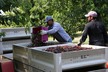
In theory, Washington state had a bumper apple crop this past fall. However, in an effort to prevent oversupply and low pricing, some growers decided to skip the second or third picking round. As a result, both the conventional and organic apple crops are showing up short. "However, fruit from South America is starting to trickle in and should help with balancing supply and demand in the U.S. marketplace," says Chris Ford with Viva Tierra Organic, importer of organic apples and pears. Pricing is already strong and will continue to strengthen going into summer as the storage crop from Washington winds down.
Strong demand for small apples
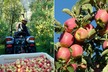
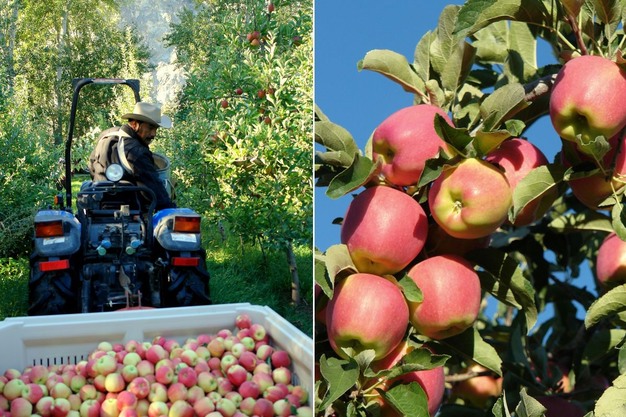
Demand for small organic fruit is particularly strong and outpaces demand for large fruit. "Smaller fruit is more suitable for bagging programs that are easier to merchandise," commented Ford. By the time June comes around, he expects good demand for the different organic varieties from Argentina, Chile, and New Zealand. Gala is a popular variety that is starting to arrive now, followed by Granny Smith, Fuji, and Cripps Pink. "In a couple weeks, multiple varieties from the southern hemisphere will be available with the peak season running from May through August."
Argentina's growing season was impacted by hail damage on certain varieties. While Chile had a good growing season, less fruit overall will be coming to the U.S. from South America. New Zealand's growing season was phenomenal, but the few growers that are left have options into other markets that generate higher returns. As a result, volumes from New Zealand are expected to be relatively small.
 © Viva Tierra
Transitioning to summer pears
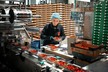
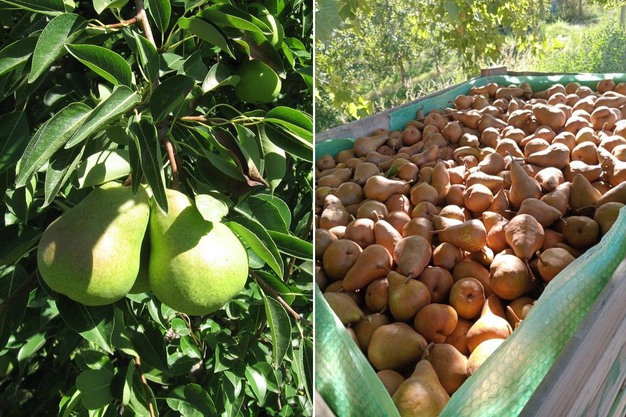
The organic pear import season out of Argentina has been going for a while. Unfortunately, the early varieties were impacted by hailstorms and volumes of specialty varieties in particular were a lot lower this season. Durondeau, Abate Fetel, and Conference varieties are all wrapping up. The main William Bartlett variety is also finishing, and transition has started into the later varieties that include Autumn Bartlett, Anjou, and Bosc. These summer pears weren't impacted by weather as much and good volumes should come in through July. The timing to bring in pears from Argentina is favorable. Although Washington had a very large crop this year, storage levels are starting to wind down.
 © Viva Tierra
Strong local markets
The later pear varieties as well as apple shipments from the southern hemisphere have all been impacted logistically by the ongoing geopolitical issues. "From surcharges imposed by shipping lines to price increases on packaging, costs are up everywhere in the supply chain." On top of that, some countries in South America are experiencing very strong domestic markets, driven by growth in the organic juice and baby food segments. In line with strong demand for processed fruit, the global landscape has become more competitive, and growers increasingly choose to ship their fruit to markets that offer favorable pricing in combination with a tolerable risk level.
If you would like to meet up in person, Chris Ford will be attending CPMA in Toronto this week from April 28-30.
For more information:
Chris Ford
Viva Tierra Organic
Tel: 831-917-7321
[email protected]
www.vivatierra.com