India's apple sector is on the cusp of a genetics‑driven reshuffle as new club varieties and high‑density orchards promise to lift yields and pack‑out dramatically, says Amit Bhardwaj of Seven Star Fruits Pvt. Ltd, a member of the Associated International Group of Nurseries, Inc. (AIGN), which is rolling out elite apple genetics under brand‑licensed club varieties and modern rootstocks such as Geneva®. "The introduction of licensed club varieties such as Cosmic Crisp®, Snapdragon®, Magic Star sports, alongside advanced rootstocks like Geneva, is reshaping expectations for apple production across the Himalayan belt."
Amit explains that India's traditional orchards average around 10 to 15 tonnes per hectare, but with the new club genetics and high‑density plantings, yields are already reaching 25-30 MT per hectare in the third and fourth year of production. "From the fifth year onwards, we anticipate a steady 50–70 MT per hectare, but the focus is not only on higher yields but also on improving the pack‑out currently from 20 to 30% to around 70% so that farmers can earn more per hectare."
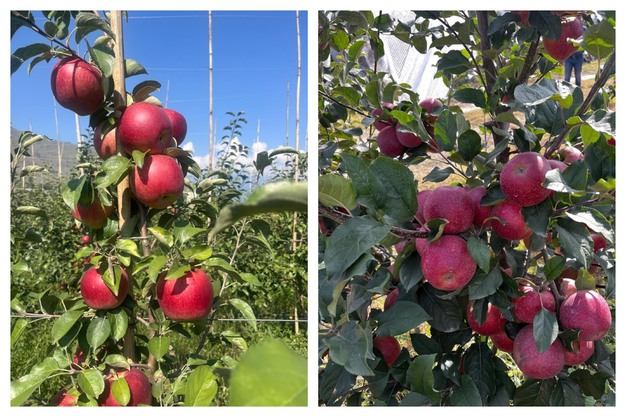 © Seven Star Fruits Pvt. LtdAccording to Amit, around 100 hectares of the club varieties, roughly equating to 3,00,000 trees, are already planted across Himachal Pradesh and Kashmir. "We expect a harvest of more than 1,000 tonnes in 2026, with the next couple of years bringing thousands of tonnes of production."
More importantly, he adds, this marks a successful establishment of protected varieties, as the Government of India has supported and issued PBR (Plant Breeder Rights) for all these selections. "We see potential to reach about 10% of the total apple planting area through these improved genetics in the next three to five years, offering crunchier, sweeter, longer‑shelf‑life apples that can compete with imported premium varieties on both quality and consistency."
© Seven Star Fruits Pvt. Ltd
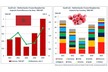
The domestic supply–demand picture underlines the opportunity. "India produces roughly 30 lakh tonnes of apples but consumes about 36 lakh tonnes, leaving a 6‑lakh‑tonne gap covered largely by imports," Amit highlights. "By producing these club‑branded varieties in India, we hope to give farmers higher realizations and improve the consumer experience, while reducing the reliance on imported fruit."
Exports are a secondary consideration for now. "Our immediate priority is to close the domestic demand–supply gap, after which export options can be evaluated. "Once we stabilize the home market, the next step will be to see where Indian‑grown premium genetics can compete overseas."
 © Alysha Fernandes | FreshPlaza.com
Amit sums it up by emphasizing a "Make‑in‑India" perspective, which he says is particularly significant on the propagation side, where local production of club‑variety planting material can reduce reliance on imported trees and strengthen the domestic supply chain from lab to farm to market. "This approach not only lowers phytosanitary and quality risks, but also gives Indian growers access to true‑to‑type, high‑quality planting material aligned with global genetics, which could gradually reshape the country's position in both domestic and, eventually, export apple markets."
For more information:
Amit Bhardwaj
Seven Star Fruits Pvt. Ltd
Tel: +91 99 99 942 613
Email: [email protected]
www.sevenstar.in