Rising prices and supply disruptions are being reported in Turkmenistan and other Central Asian countries after Iran halted exports of goods and agricultural products.
The Middle East war has affected trade flows across the region. Iran last week banned all goods and agricultural exports, creating economic pressure in Turkmenistan and neighbouring Central Asian markets where Tehran has been an established supplier.
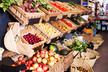
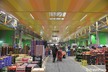
At a market in Ashgabat, pensioner Shemshat Kurbanova said prices have risen sharply since the conflict began. With the Iranian border about 20 kilometres away, she said she previously preferred Iranian fruit and juice because they were affordable. But she told AFP that "everything has doubled in price."
According to an AFP journalist, mandarins in Ashgabat cost US$1.90, apples more than US$2, and a pack of cigarettes has risen to US$3, roughly double previous levels.
Kurbanova said she is worried about how far her pension will stretch. "I understand the situation is difficult, but I hope the conflict will soon end and the prices will come back to the previous levels," she said.
Although trade data is not publicly available, Iran has been a key trading partner for Turkmenistan and the wider Central Asian region, alongside China and Russia.
Central Asia depends on transit corridors through neighbouring countries, including China, Russia, Iran, and Afghanistan. Kyrgyz economist Iskender Sharsheyev said Iran has long provided a southern route linking the region to global markets.
"Iran has for a long time played the role of a window to the south for Central Asia: key transport corridors go through its territory, which gives access to the Persian Gulf and then to the markets of India, the Middle East and Europe," he said.
He added that the conflict has disrupted these routes. "The consequences for Central Asia are already felt: delays in deliveries and the rising prices of fuel, fertiliser, medicine and electronics."
Byashim Ovezov, who trades Iranian food products in Turkmenistan, said the supply situation has changed. "The flow of goods has decreased."
"If the war continues, then not only will the prices double, or more, but people like me will lose their jobs," he said.
Iran traditionally supplies fruit, vegetables, and dairy products to the region, and replacing these volumes is difficult due to logistics and cost. Alternative routes through the Caspian Sea currently lack the capacity to absorb additional cargo.
In Tajikistan, trade with Iran reached nearly US$500 million in 2025. A shop owner in Dushanbe selling Iranian products said supplies have stopped. "The borders were shut immediately, exports stopped, so our products got stuck," she said.
Source: Iraqi News