Brazilian agribusiness enters March 2026 with mixed expectations as the sector balances results from 2025 with current production and market conditions. Weather developments, crop performance, and production costs are influencing the outlook for growers and exporters.
Weather conditions are drawing attention in the south-central region of the country as a cold front and cyclone affect several states. Forecasts indicate rainfall totals exceeding 200 mm in areas including Minas Gerais and Rio de Janeiro. At the same time, El Niño conditions are expected to remain active until May, altering rainfall and temperature patterns and contributing to warmer conditions.
Extreme weather events have also generated social and economic impacts. Data from Cemaden indicates that more than 336,000 people were affected by natural disasters in 2025. Economic losses were estimated at R$3.9 billion (about US$780 million). In response, the government introduced Provisional Measure 1.337/2026, allocating R$500 million (about US$100 million) in loans for recovery projects in affected municipalities, including locations in Minas Gerais.
In the potato sector, prices for the Agate variety show variation between regions. In São Paulo, prices are around R$57.75 per sack (about US$11.55 per sack), while in Belo Horizonte, prices are about R$56.18 per sack (about US$11.24 per sack). Market participants report that supply and demand remain balanced in these areas.
In Rio de Janeiro, the return of harvesting activity after rainfall has increased the supply of lighter-skinned tubers, leading to lower prices. Market participants also report logistical interruptions and quality variation linked to high humidity levels.
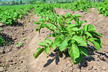
Production conditions in Bom Jesus in Rio Grande do Sul also reflect weather challenges. Rainfall during January delayed planting schedules in the region. Current productivity levels range between 40 and 50 tons per hectare, although growers report that weather conditions have affected product quality. Producers in the region are adjusting management practices in response.
The humid conditions and temperature changes have also increased the presence of late blight (Phytophthora infestans) in some fields. Growers report cases of the disease and have increased preventive crop protection measures.
Economic indicators show varied trends. Agricultural GDP increased by 11.7% in 2025. However, the National Confederation of Agriculture and Livestock projects that the Gross Value of Production may decline by 4.6% in 2026 to R$1.4 trillion (about US$280 billion). The projection reflects lower prices for products such as soybeans and corn.
At the same time, rising global oil prices are increasing costs for nitrogen fertilizers, diesel, and logistics, which affects production costs for farmers.
Source: abbin.org / Argenpapa