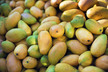
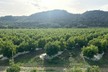
Hapus or Alphonso mangoes from the Konkan region have been arriving in Pune's Gultekdi market for the past few weeks, but supply remains limited, and prices are elevated. Around 30 boxes are arriving daily, mostly from Devgad taluka, with some supplies from Ratnagiri district. Each box contains between four and six dozen mangoes.
According to traders, arrivals are lower than in the past two years. "Compared to the last two years, supply is significantly less, and consequently, the market rate is the highest we have seen in the same period," said Yuvraj Kachi of the Gultekdi market. A single box of Alphonso is retailing between US$120 and US$216, depending on grading, quality, and fruit size, ranging from 170 g to 300 g per mango. On a per-dozen basis, prices range from US$24 to US$48. Arrivals are expected to increase from around March 10, although prices may remain elevated during peak demand around Gudi Padwa.
Growers attribute lower supply to erratic weather across the Konkan belt. Anand Marathe, a farmer from Rajapur taluka in Ratnagiri district, said temperature variations following post-monsoon rainfall caused stress during flowering. Cold nights combined with afternoon temperatures of 35°C affected the ratio of male to hermaphrodite flowers, reducing fruit set and yield.
Mukund Joshi of the Hapus Amba Utpadak Vikreta Sahakari Sangh said the first flowering cycle at the end of December was largely damaged, and poor fruit setting followed in the second cycle. Similar conditions were reported across Raigad, Ratnagiri, Sindhudurg, Palghar, and Thane. Growers are monitoring the third flowering cycle in mid-March for potential supply in April and May, although overall output is expected to remain below last year.
Marathe also raised concerns about mangoes from Kerala, Andhra Pradesh, and Karnataka being marketed under the Alphonso GI label. He urged buyers to verify GI numbers printed on boxes.
In Goa, Mancurad mangoes have also entered the market, with early arrivals in Panaji priced at up to US$60 per dozen. Last year, early-season pricing reached US$72 per dozen. Prices are expected to moderate as arrivals increase, potentially declining to US$12 per dozen by April and US$6 per dozen by May.
Post-monsoon rainfall ended by October, followed by cold conditions in November, December, and January, which supported flowering. However, areas such as Siolim, Calangute, and Morjim experienced stress linked to cold and dew, increasing exposure to insect attacks. Vendors report that high early-season prices have limited consumer buying, with most buyers waiting for peak summer supply.
Source 1: The Indian Express
Source 2: The Times of India