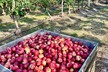
As Australia enters the midsummer period, harvest activity is increasing across key growing regions. Cherry harvests have been ongoing for several months, while apples and pears are now becoming the main focus as preparations for the new season accelerate.
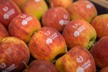
Apple prices strengthened toward the end of the previous season as national supply tightened and market balance improved. Fruit moved steadily into the market, easing pressure that had built up over an extended period. As a result, the industry is expected to enter the 2026 season without large volumes in storage or carryover fruit. New-season apples are anticipated to reach supermarket shelves early, with supply aligned more closely to consumer demand.
At the same time, reports of uneven blossom across certain regions have introduced uncertainty around the 2026 crop. While it remains too early to draw firm conclusions, ongoing monitoring will continue. Data from the Orchard Business Analysis report, the APAL Orchard Census, and crop forecasting work will be used to assess how variability may affect future production volumes.
 © APAL
Dry and drought-like conditions have also been reported in several regions in recent months. These conditions may influence fruit size, storage performance, and packouts as the season progresses. The weather during this period remains variable, highlighting the importance of irrigation management, canopy health, and operational planning in maintaining fruit quality through harvest and storage.
According to the most recent Orchard Business Analysis report, the 2025 season showed a slight improvement in yield. However, packouts remained below the long-term average, limiting Class 1 volumes. Hot and dry conditions affected colour development, while higher postharvest and operating costs continued to increase production costs. The report indicates a modest return for 2025, following two seasons of losses. This outcome was linked to higher prices for quality fruit and the early clearance of heat-affected varieties, allowing limited scope for reinvestment at the orchard level.
Industry discussions during the APAL annual general meeting in November reviewed progress made over the past year. Areas of focus included improved mapping of the national orchard base, expanded market analysis, and tools designed to support data-informed business decisions.
Looking ahead, the industry is entering the 2026 season with limited carryover stocks and consistent fruit quality. Market access to China and Canada is now available, providing additional export options alongside domestic channels. While the development of export programs is ongoing, interest in these markets has increased as part of efforts to diversify sales pathways.
As harvest approaches, growers are focusing on maintaining quality, using available data to guide decisions, and identifying efficiencies within orchard operations. The new season is expected to begin with stable market conditions, although production and market outcomes will continue to depend on weather and orchard performance in the months ahead.
 For more information:
APAL
Tel: +61 3 9329 3511
Email: [email protected]
www.apal.org.au