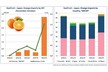
The global citrus market is undergoing a phase of adjustment, with Asia becoming more influential. A recent USDA Foreign Agricultural Service report notes that China has transitioned from a major regional producer to a global supplier, extending its commercial footprint beyond its borders.
The scale of its production supports this approach. In 2024, China produced 67.91 million metric tons of citrus, focusing on a varietal strategy aimed at sweeter, seedless, and easy-to-eat fruits. This focus aligns with new consumer preferences and has played a key role in maintaining its export growth.
The country is expected to harvest 27.1 million tons of mandarins in the 2025/26 season. Exports of this fruit have doubled over the past five years and could reach 1.25 million tons. China also remains on track for oranges, despite some setbacks due to extreme weather. Estimated production is 7.68 million tons, primarily from the country's central regions.
For Chile, this situation indicates increasing competitive pressure in traditional markets, especially in Europe and North America, where Chinese fruit has been gaining market share. At the same time, the country maintains access to the Chinese market and is strengthening its position as a significant supplier of mandarins, amid a context in which imports of this product rose by 10.4%, with an additional 14% growth forecast for the upcoming season.
However, the report cautions that China's growth faces limitations. Rising labor costs, decreasing available agricultural land, and stricter phytosanitary rules could slow expansion, creating an environment where competitiveness depends on product quality, logistical efficiency, and regulatory compliance.
Source: agendalogistica.cl