Potatoes are a living product, and their quality and usability depend largely on storage and handling after purchase. Europatat has published a new consumer guide on potato storage and use, focusing on how everyday practices at home influence shelf life, food safety, and waste levels.
The guide is based on the premise that potatoes remain biologically active after harvest and continue to respond to external factors such as light, temperature, and physical handling. Misunderstanding these characteristics can result in quality loss or unnecessary disposal. Europatat says the aim of the guide is to provide practical information that allows consumers to assess potatoes more accurately before use.
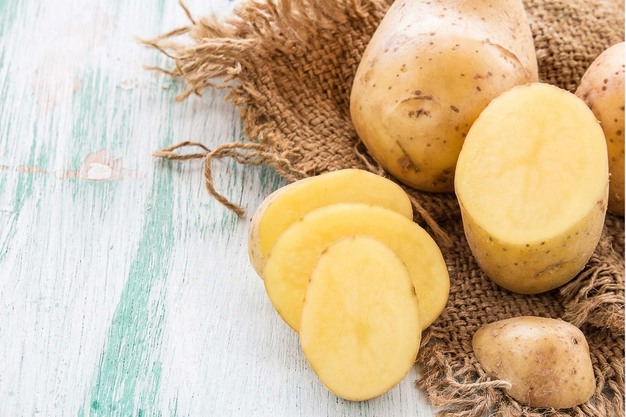 © Europatat
"Potatoes remain biologically active after harvest," said Florimond Desprez, Chair of the Europatat Technical and Regulatory Commission. "They continue to respond to light, temperature, and handling conditions. Proper storage is essential, and we wanted to provide consumers with guidelines that will allow them to eat potatoes at their best."
According to the guide, potatoes should be stored in a cool, dark, and dry environment, protected from direct sunlight and temperature fluctuations. It also outlines how consumers can evaluate potatoes prior to preparation. Potatoes that are heavily shrivelled, spoiled, or degraded are no longer suitable for consumption. In contrast, green parts, sprouts, or minor damage can often be removed by peeling before cooking. The guide also advises against reusing cooking water from unpeeled potatoes.
Stijn De Pourcq, Vice-Chair of the Europatat Technical and Regulatory Commission, said the guidance consolidates long-established principles that are not always consistently applied. "Understanding what can be peeled, what should be discarded, and how potatoes behave as a natural product can improve the consumer experience," he said.
The document also links storage practices to household food waste. Europatat notes that uncertainty about whether potatoes are still usable is a frequent cause of disposal at the consumer level. Clear criteria for assessment can reduce avoidable waste while maintaining food safety standards.
"Clear information helps consumers trust their judgement," said Romans Vorss, Europatat Director of Technical Affairs. "By explaining how to store potatoes correctly and how to recognise when they are still suitable for consumption, this guide supports food safety and reduces waste."
Europatat says the guide is intended for broad circulation through media, retail channels, and educational platforms as part of wider efforts to improve food literacy and everyday handling of fresh produce.
 For more information:
Europatat
Tel: +32 (2) 229 21 56
Email: [email protected]
www.europatat.eu