The excessive rainfall in 2024 and the extended drought in 2025 have negatively impacted sweet potato quality. Cassiano Berol from Agrícola Plantar emphasizes that rainfall is essential, especially during planting, and notes that water stress affected the season despite irrigation efforts. However, early 2026 brings promising signs: "In the last three months, typically marked by heavy rains and challenges, quality has improved, and we expect a successful year."
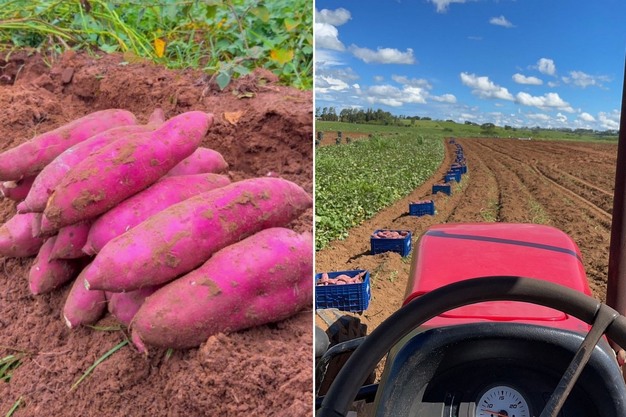 © Agrícola Plantar
Europe and the UK continue to be the primary markets for Brazilian sweet potato, with consistent shipments since 2023. Canada is emerging as a developing destination, influenced by shifting trade dynamics in North America. Meanwhile, the United States remains inaccessible to Brazilian produce, and Asia is excluded due to extended logistics times and low demand.
In the European market, the quality standards have increased substantially. Berol states, "Today, a category II product is no longer sellable." Products with scratches or perforations are unacceptable; the market now demands top-quality items. This shift reshapes the rivalry among origins like the United States, Honduras, South Africa, Portugal, and particularly Egypt, which is the largest supplier to the European market with the Beauregard variety.
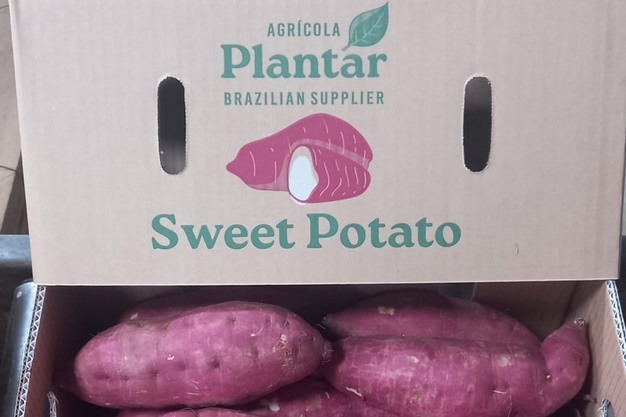 © Agrícola Plantar
In 2025, prices rose about 20% compared to 2024, driven by higher costs for labor, fuel, packaging materials, logistics, and irrigation. This increase also includes higher port fees in Santos. For 2026, the company is closely monitoring the potential effects of the Mercosur-EU agreement, which could improve trade efficiency and lower per-ton costs.
Climate remains the main challenge, followed by labor availability and cost, as well as the need for international certifications. "We need more and more certifications to have a green passport to Europe, and that is very expensive," Berol acknowledges.
 © Agrícola Plantar
Agrícola Plantar's team is a key competitive advantage. "We have a team with over 20 years of experience in producing and packing sweet potatoes weekly," he noted. The company also stressed the importance of post-harvest processes, which are just as crucial as field work.
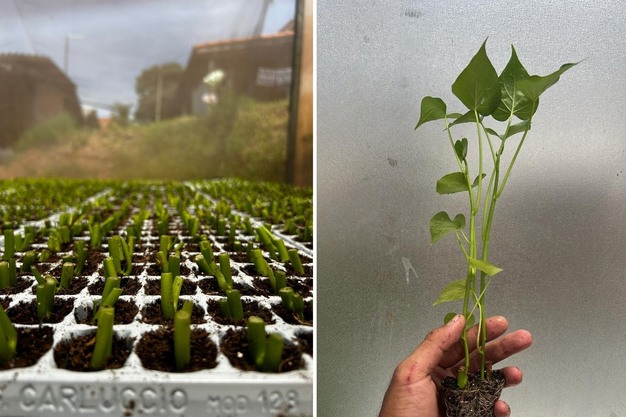
The company anticipates 10% growth this year but maintains a clear priority: "Quality is always more important than volume." Additionally, the company is making progress in seedling development with agronomist Danilo Hiromoto, aiming to consistently enhance the quality of the harvested sweet potato. This strategy seeks greater control over the entire production chain, from developing plant material to the arrival of the sea container at the end customer, ensuring quality standards are upheld throughout.
 For more information:
Cassiano Berol
Plantar Agricultural
Tel: +55 11 9 9676-8378
Email: [email protected]
www.agricola-plantar.com.br