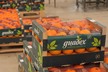
Lemon prices in the Nellore region of India have dropped sharply following ongoing water scarcity and repeated monsoon shortfalls, affecting an estimated four lakh lemon growers. Many small and marginal farmers cultivating two to three acres are leaving lemon farming and shifting to agricultural labour or less water-intensive crops such as floriculture.
In January last year, a 72 kg bag of lemons was selling for between Rs 4,500 and Rs 5,000, a price level that continued until June 2025. Since then, prices have declined to Rs 1,500 to Rs 2,000 per bag, with lower-grade fruit selling for around Rs 1,000. Farmers report that in some cases, fruit is left on trees because prices do not cover labour costs.
Lemon cultivation in the erstwhile Nellore district covers about 30,000 hectares across mandals, including Podalakur, Chejerla, Rapuru, Kaluvaya, Sydapuram, Dakkili, Venkatagiri, Manubolu, Ozili, Gudur, and Balayapalli. Red and black soils in these areas are suited to lemon production. Nellore is a key lemon-producing region within Andhra Pradesh and Telangana.
Produce from Gudur and Podalakur markets is normally transported daily by truck and train to markets including Maharashtra, Madhya Pradesh, Kolkata, Delhi, Nagpur, and Chennai. However, current market activity has slowed considerably.
Senior farmer Pasupuleti Munikishore from Podalakur, with three decades of experience, said this is the most difficult period he has seen. He cited rising costs for saplings, pesticides, labour, and inputs, combined with poor rainfall. According to him, around 80 per cent of fruit is discoloured with reduced juice content, resulting in lower prices. Yields have also declined, with output falling from about 200 bags per acre to roughly 80 bags this season despite an investment of Rs 1.6 lakh per acre.
Wholesale markets in Gudur and Podalakur are reporting limited trading activity. Lemon Market Association secretary Atla Prabhakara Reddy said turnover has fallen since Vijayadashami last year. Planned shipments of more than 30 lorries per day have dropped to about 10 smaller vehicles.
The decline affects not only growers but also an estimated three lakh wholesale and retail traders and labourers linked to the lemon supply chain, according to market representatives.
Source: Hans India