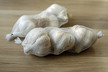
Spain's 2025 garlic season concludes with a 9% growth, a significant feat amid weather challenges and foreign market pressures. Nonetheless, the season also provided warning signs: hail decreased product size and increased losses. Sector analyses forecast a price decline for 2026.
In Castile-La Mancha, which produces nearly 60% of Spain's garlic and accounts for 68% of the cultivated land, farmers have had to adapt their methods to maintain supply. José López de la Fuente, CEO of Grupo Lomar, explains, "hail has been a key factor this year; garlic has been smaller, affecting the entire process." To offset lower yields per hectare, many farms have increased their sown area to meet the ongoing demand for purple garlic.
National production faces more than just climate issues. Competition from China, Argentina, and Egypt—countries with lower production costs—puts pressure on European prices. López de la Fuente warns that they are not on equal footing, emphasizing that Spanish production incurs higher costs and is subject to stricter regulations.
Additionally, limited pesticide availability to protect crops raises agronomic risks and increases indirect costs.
Despite these hurdles, Spain remains the EU's leading garlic producer, exporting over 315,000 tons each year. The sector is approaching the upcoming season cautiously but remains optimistic about balancing robust production with more stable prices. Experts say the key will be the ability to adapt, innovate, and strengthen the identity of Spanish garlic as a local product without compromising its quality.
Source: financialfood.es