A lot happens at a border to get fresh produce in and out. As a result, wholesale distributors have become the border crossing stewards for their clients, which is increasingly more important with changing tariff policy. A lot of work goes into successfully importing and exporting fresh produce and the landscape is shifting as a result of today's climate. What does it involve?
Navigate shipping complexities
"When it comes to sourcing produce from around the world, it helps to have a partner that knows the back-end work needed to get commodities across international borders," says Bill Loupée, Chief Operating Officer, Ben B. Schwartz & Sons. First and foremost, this means having the right paperwork for border crossing, including confirmation of sales documents such as commercial invoices, packing lists and proper goods classification to furnish a bond and pay any applicable tariff fees. However, this extends to having even more detailed records, including source farm, transport conditions, and handling.
Manage safety & inspections
Any produce crossing the border also needs to meet all of the necessary regulatory measures of the country it's entering. Each load needs proof that it is compliant with food laws, and must also pass inspection to make sure that it is free of pests or diseases. For entrance to the US, this means appeasing FDA and USDA rules, and compliance with labeling, import notices (including permits per item), food facility registration, organic certification, pesticide residue limits and approved country of origin.
Wholesale distributors can also relieve pressure for end customers by acting as a non-resident importer from Canada, meaning they can serve as the sole point of contact to receive product, so customers get orders delivered to their doorstep hassle-free.
 © Ben B. Schwartz & Sons
Maintain cold storage
Temperature control isn't just important to maintain the quality of product on its way to customers, but also a key part of the border crossing process. Each load must certify that the produce being transported has been stored safely by providing temperature loggers and real-time tracking. This is another layer of assurance that the produce entering a country will meet all regulatory requirements.
Packaging & labeling
Truckers need to present a lot of necessary documentation at a border crossing, but the load itself must also be adequately packaged and labeled. Labels in particular need to include an array of information, such as country of origin, lot numbers, net weight and traceability information such as bar codes. On the packaging side, some countries have strict laws against the use of plastics and require recyclable or compostable materials.
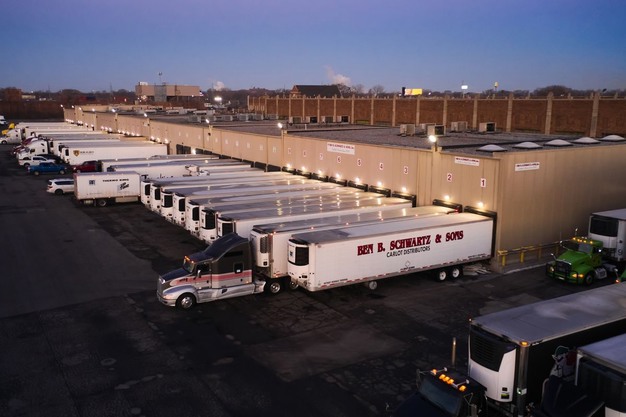
There are a number of considerations that go into importing and exporting produce. Given that, many wholesale distributors have had to step in as the champions of this process - shifting from a passive to more active role to manage the ongoing tariff changes. This means monitoring the latest policy updates, implementation dates and using forecasting data to predict how it will impact costs and supply, while also bolstering inventory before new changes go into effect. As a result, they may be in position to enter cost-share negotiations with suppliers and buyers to find new ways to absorb costs and offset price increases, or re-evaluate their grower networks to source cheaper options that are state-side or aren't under as aggressive tariffs as other countries.
 © Ben B. Schwartz & Sons
"As the produce landscape remains in flux and unpredictable, it's important to remember just how much goes into getting the fruits and vegetables we love across borders," commented Loupée. Wholesale distributors play a key role in making this process as seamless as possible, providing consumers with quality produce at a fair price.
 For more information:
Bill Loupée
Ben B. Schwartz & Sons
[email protected]
www.benbdetroit.com