Freshfel Europe participated in the 11th Annual EU Conference on EAFRD Financial Instruments, held in Milan and organised by fi-compass, the European Commission's DG AGRI, and the European Investment Bank (EIB). The event, titled "Financing the transition to resilient EU agri-food systems and sustainable farming," gathered policymakers, financial institutions, and agri-food stakeholders to discuss how financial tools can support the green and digital transition in European agriculture.
Representing the European fruit and vegetable sector, Freshfel Europe called for adjustments in EU budget allocations and financial instruments to better support fresh produce. The organisation emphasised that fruit and vegetables are essential to a sustainable, low-carbon, and health-focused food system.
 © freshfel
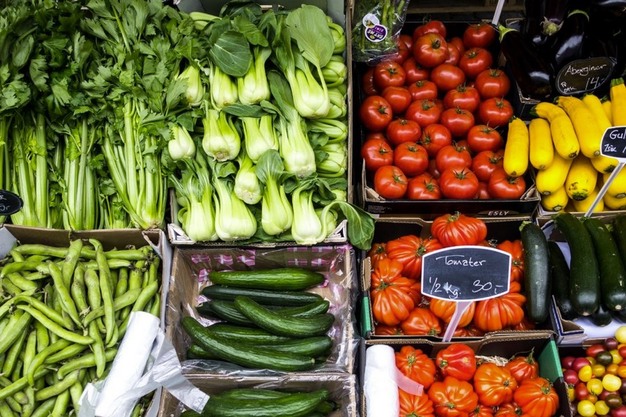
According to Freshfel Europe, the fresh produce sector has one of the lowest environmental footprints within agriculture and contributes to carbon sequestration, aligning with the EU's climate neutrality goals. Despite these benefits, the sector receives about 3% of Common Agricultural Policy (CAP) funds, while around 80% is allocated to animal-based production, which accounts for more than half of agricultural carbon emissions.
Philippe Binard, general delegate of Freshfel Europe, said: "Would one day 50% of the EU CAP budget be supporting supply chains delivering to consumers healthy, tasty, and quality fresh fruit and vegetables? This is not a provocative stance but a necessary reflection based on a reality and an uncomfortable truth for many." He added that aligning EU policy and budgets to encourage plant-based diets should be considered a requirement for policymakers.
The organisation highlighted that current European consumption of fruit and vegetables averages 350 grams per person per day, below the 400-800 grams recommended by various health authorities. This shortfall, combined with rising consumption of ultra-processed foods, has implications for both public health and climate targets.
Freshfel Europe also pointed to the need for more flexible and accessible financial instruments tailored to the realities of the fruit and vegetable supply chain. Binard explained that the sector faces unique challenges, including generational turnover, increasing climate risks, emerging pests and diseases, and tight profit margins. Unlike more concentrated sectors such as grains or dairy, fruit and vegetable production involves a wide range of small-scale producers with diverse production cycles and seasonal variations.
The organisation called on the European Commission and the EIB to ensure that new and existing financial instruments under the CAP and EAFRD are designed to address these specific needs. It also urged the inclusion of insurance mechanisms for climate-related risks, which are expected to intensify in the coming years.
Freshfel Europe stated that investing in fruit and vegetables supports both environmental and public health goals, and that future EU financial strategies should reflect the sector's contribution to sustainability and economic resilience.
 © freshfelFor more information:
Freshfel
Tel: +32 (0) 2 777 15 80
Email: [email protected]
www.freshfel.org