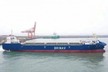
Refrigerated transport has become one of the most stressed areas of international maritime trade, according to experts Bruce Marshall, Head of Reefer Solutions at Maersk, and Thomas Eskesen, Founder of Eskesen Advisory, during the webcast "Rates, global congestion and the impact on refrigerated transport: a TPM Cold Chain webcast."
They noted that perishable products such as fruit, vegetables, animal proteins, and seafood depend on increasingly vulnerable refrigerated logistics. While global demand for fresh food is growing, exporters face challenges that affect both competitiveness and availability for end consumers.
Congestion, rates, and infrastructure
Port congestion was identified as one of the main issues. In several major international hubs, terminal saturation has led to delays in unloading and transshipment of refrigerated containers. A lack of available equipment has also raised transportation costs and made planning more difficult.
The webcast highlighted that predictability has decreased. Planning shipments weeks in advance no longer guarantees timely arrivals or stable costs. In addition, many terminals lack the capacity to handle large volumes of refrigerated cargo, especially during backlogs. In some cases, congestion forces cargo to be redirected to secondary terminals, further increasing costs and extending routes.
Specialists pointed out that the solution requires not only more physical infrastructure but also improved coordination between shipping lines, terminals, and customs.
Latin America's role
The impact is particularly visible in Latin America, where countries such as Mexico and Peru depend heavily on refrigerated logistics to supply markets in the U.S., Europe, and Asia. In Mexico, fruit and vegetable exports overlap with peak congestion periods, increasing the risk of quality loss. In Peru, grapes, blueberries, and fisheries rely on stable and fast routes to maintain standards at the destination.
Delays affect not only product freshness but also the confidence of international buyers, with consequences for contracts and prices. Nevertheless, opportunities remain through diversification of markets, investment in specialized terminals, and the use of traceability technology, although these developments are progressing more slowly than demand growth.
Outlook
Looking forward, experts expect continued pressure on refrigerated transport. Gradual adjustments in rates and equipment availability may help, but no quick resolution is anticipated. Investment in port infrastructure, including greater electrical connection capacity, automation, and streamlined customs processes, is viewed as necessary.
Logistics resilience was described as a competitive factor. Exporters able to diversify routes, secure flexible contracts, and adopt real-time monitoring technology will be better positioned.
Refrigerated transport continues to face challenges from congestion, costs, and limited predictability. For Latin America, maintaining its role in international markets will depend on improving infrastructure and coordination while meeting rising global demand.
Source: Blueberries Consulting