USDA forecasts U.S. peach production at 682,500 tons for 2025, a 4% year-on-year decline. The decrease is largely attributed to reduced yields in California, the country's primary producer. California's total peach output is projected at 520,000 tons, down 5% from the previous forecast and 2% below 2024 levels.
Within California, Clingstone production is estimated at 230,000 tons, in line with earlier forecasts and less than 1% below last year. Freestone output is expected to be more affected, with 290,000 tons forecast, reflecting a 9% decline from the prior projection and 3% lower than 2024. According to an industry source, "It has been a good crop in California, but not as heavy. We are down growers, and some trees that have been taken out have been replaced with citrus or olives."
Outside of California, reductions are also expected in the Eastern states. South Carolina is projected to harvest 85,000 tons, 7% less than in 2024. Georgia's production is forecast at 30,000 tons, representing a 19% drop from last year. The decline in Georgia may affect regional fresh-market supply, as the state is a key seasonal supplier for the East Coast.
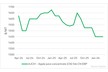
Processed peach markets are showing firmness in pricing. IQF diced Clingstone peaches (FOB West Coast U.S.) were priced at US$1.52/lb in July 2025, an increase of 1.33% compared to the same period last year. Over the past 14 months, prices dipped in late summer 2024 before recovering and maintaining stability through early 2025. Market participants note that pricing support continues to stem from reduced production and steady demand from domestic processors and export destinations.
Source: Mintec/Expana