A lower production than expected in Spain, as well as in other European countries, a significant decline in Turkey due to frosts and the hot summer this year have led to a first part of the stone fruit season in Catalonia and Aragon, as well as in France, with remarkably high prices for all links in the chain which are driving investment in fruit plants for future seasons.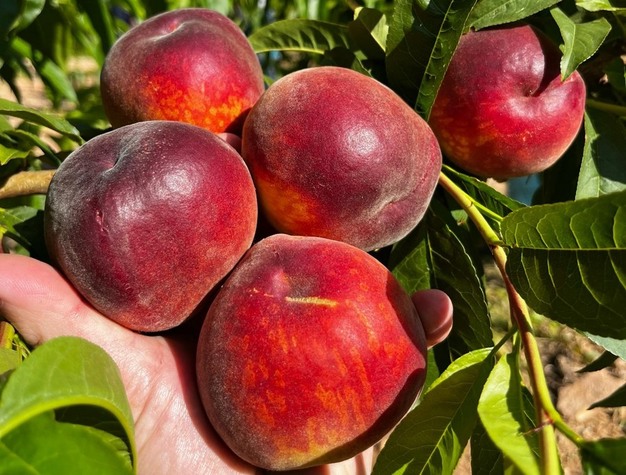 © PSB Producción Vegetal
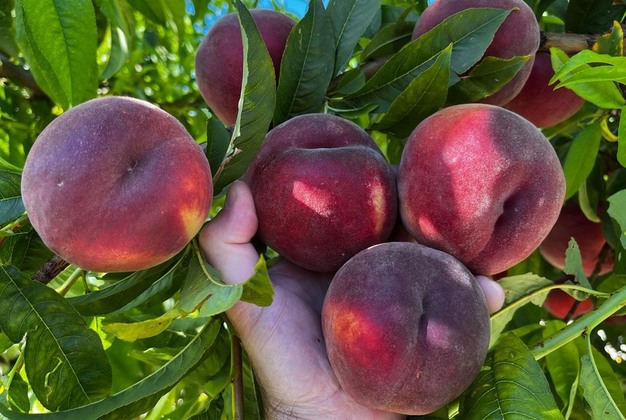
Kitty peach.
"For the time being, the stone fruit season in Lleida and France has been progressing with rising prices both at source and at the warehouse," says Thomas Chevaillier, technical and sales director of PSB Producción Vegetal, a company that breeds stone fruit and cherry varieties.
 © PSB Producción Vegetal
Veracruz peach.
"It is clear that the hailstorms have led to a reduction of the expected stone fruit supply in Spain, which had been estimated at 1,200,000 tons in May. Also, Turkish fruit has been more present in Europe than we thought. Due to the frosts in February and April, there's a clear lack of fruit in Turkey and Greece, two countries that had gained ground in Eastern countries and Germany in recent years," says Thomas.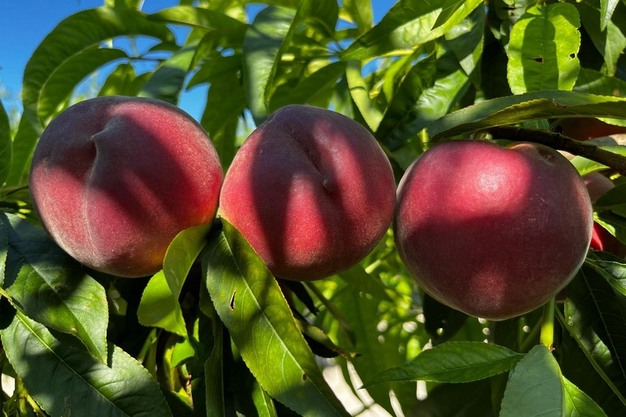 © PSB Producción Vegetal
Mariachi peach.
It should also be recalled that, according to various studies, stone fruit consumption sharply increases when it is sunny and warm. "Since the end of May, temperatures have been quite high in Europe, and this has been boosting demand a lot. In the producing countries, the heat is also leading to the fruit having a high Brix, so while the product is more expensive for consumers, it is also tastier," he says.
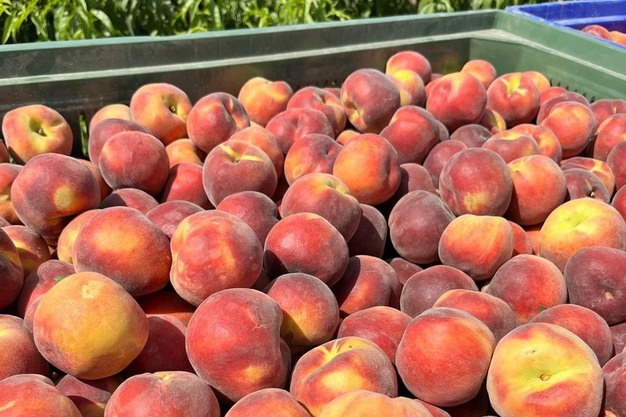 © PSB Producción VegetalPampana peach.
This season's good results are already having a positive impact on the sale of stone fruit plants, according to Thomas. "Optimism in the market and in the sector is being reflected in plant sales, which have increased compared to last year. The summer grafting plants that nurseries do in June and July are already sold out."
 © PSB Producción Vegetal
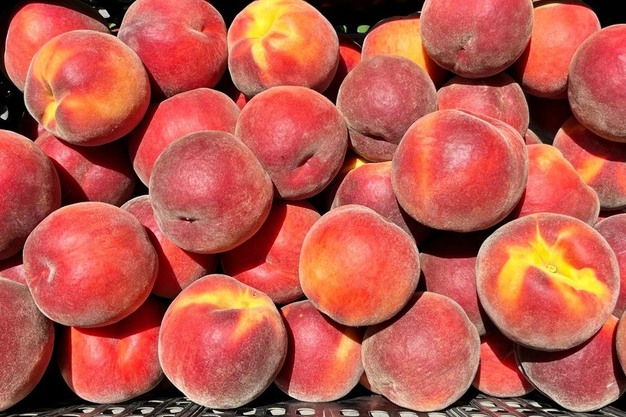
Soledora peach.
According to the Technical and Sales Director of PSB, in the last decade, nectarines and flat peaches have been the most planted species; however, in the last three years, growers are becoming increasingly interested in peaches again. "In bad years at a commercial level, peaches can offer higher yields because their fuzzy skin protects them better from frost, strong winds, and thrips, so less active material is needed," he says.
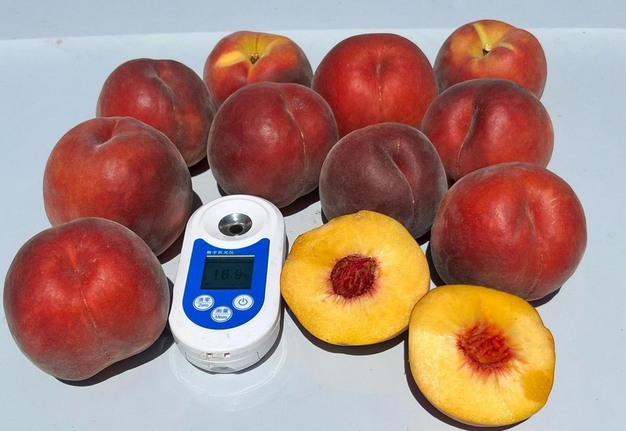 © PSB Producción Vegetal
Charlotte peaches
"One of the most important peach varieties in Spain is the yellow-fleshed Sweetdream, which is harvested in late July, although many orchards are starting to become too old, which has repercussions on yields," says Thomas.
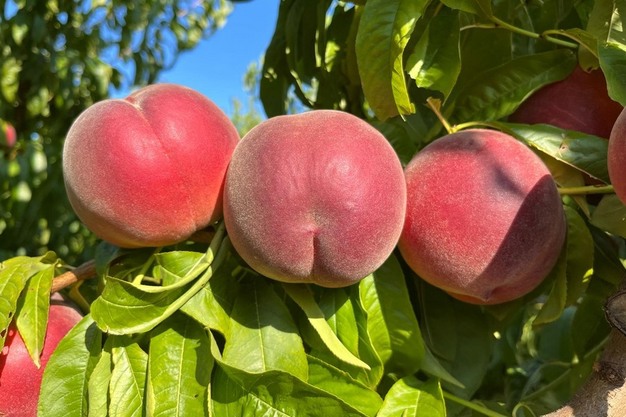 © PSB Producción Vegetal
BN993-5 peach.
"In this context, we at PSB are offering a wide range featuring new yellow-fleshed peach varieties that many growers are betting on. The range features the new sub-acid and sweet-tasting Kitty variety, harvested in early May, which has plenty of color and reaches good calibers for an early variety. This one is followed by the Veracruz in mid-May, which is very sweet, has a round shape, and easily reaches AA sizes," says Thomas Chevaillier.
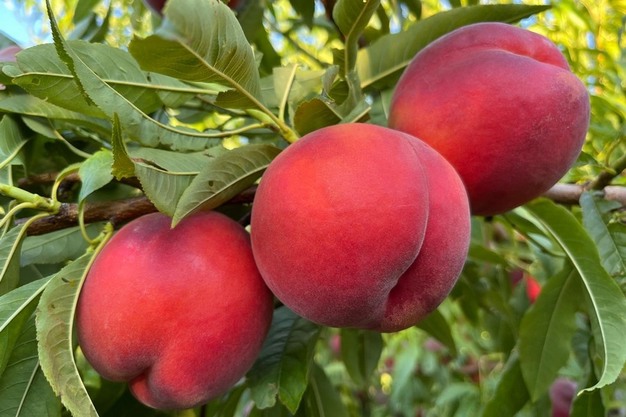 © PSB Producción VegetalOdyssée peach.
"We then continue with the Mariachi at the end of May, still with the same agronomic and organoleptic characteristics, and we work with that one until the arrival of the Pampana variety, which can be harvested both in Murcia in early June and in Lleida in the middle of June," says Thomas Chevaillier. "In Lleida, we successively supply the Arizona, Soledora, and Charlotte varieties, which are harvested just before the Sweet Prim, and just after the Sweetdream, we continue with two new varieties: BN993-5 and Odyssée, and finish with the BN1112-6 at the beginning of September." © PSB Producción VegetalFor more information:
Thomas Chevaillier
PSB Producción Vegetal
Technical Sales Manager
Tel.: +34 620 810 125
[email protected]
www.psbproduccionvegetal.com