In recent years, fruit farmers in Vietnam have integrated scientific methods and technologies into cultivation to enhance productivity, fruit quality, and income generation. Large-scale, concentrated production zones cater to both domestic and export markets.
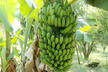
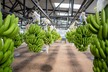
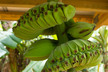
The Plant Protection and Production Department, under the Ministry of Agriculture and Environment, noted that the northern midland and mountainous regions have around 271,900 hectares of fruit trees. This represents 21.4% of the nation's total. Farmers have incorporated advanced cultivation techniques, including more than 3,000 hectares of banana, over 3,400 hectares of longan, 4,172 hectares of orange, and more than 10,000 hectares of pomelo. Approximately 20,700 hectares of fruit trees meet VietGAP and equivalent standards, with 67 hectares certified organic.
Challenges remain due to small-scale and scattered production, affecting quality management and traceability. Traditional irrigation persists, while drip irrigation technology is underutilized. Many businesses lack raw material production areas, relying on traders and facing quality inconsistencies.
Phan Huy Thong, Vice President of the Vietnam Gardening Association, stated, "Much of the cultivation area is on overly steep or poor-quality land, and unreliable irrigation sources affect productivity and product quality." Moreover, the quality of seedlings is inconsistently managed, and traceability codes are limited.
Experts suggest prioritizing indigenous and local specialty varieties, investing in high-quality, yield-optimizing, disease-resistant crop restructuring, and enhancing production through high-technology applications and expanded adoption of VietGAP, GlobalGAP, organic, and digital standards for improved transparency and consumer trust.
Source: Vietnam+