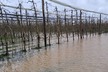
Türkiye, the world's leading apricot producer, is experiencing a shift in its market dynamics following severe frosts in April 2025, reported EastFruit. This climatic event is projected to influence apricot pricing across the EU, USA, Middle East, and Central Asia, with countries like Ukraine, Uzbekistan, and Germany facing increased costs for apricot-related products. The repercussions of this frost are expected to disrupt global fruit markets until at least July 2026.
In April 2025, Türkiye experienced one of its most severe agricultural frosts in recent history, with temperatures plummeting to -15°C across more than 36 provinces. This extreme cold damaged numerous crops, including hazelnuts, grapes, and apricots, threatening both current and future harvests. Malatya Province, which produces 85% of Türkiye's apricots, suffered catastrophic losses, with production expected to drop from 750,000 tons to just 10,000 tons in 2025.
In 2024, Türkiye was a major global apricot exporter, but the 2025 frost has disrupted supply, impacting key markets. Major importers, including the United States, France, and Germany, are now facing supply shortages and rising prices, prompting them to explore alternative sources like Spain, Uzbekistan, and Italy. The impact extends to fresh apricot markets, affecting both local consumers and international buyers such as Russia, Iraq, and Germany.
The frost in Türkiye is part of a broader trend of weather-related crop damage across Europe. Other countries, including Moldova, Bulgaria, and Greece, have also reported significant apricot losses, further straining supply and pushing up prices. The European fresh apricot market is facing heightened pressure, with limited availability driving up prices.
Industries relying on fresh apricots, including juice manufacturers and dessert producers, are facing supply challenges. Many are exploring alternative sourcing options, including Central Asia, where strong 2025 apricot harvests are expected in Uzbekistan and Tajikistan.
Early apricot varieties in Uzbekistan and Tajikistan maintain stable prices, with harvesting and exporting activities ongoing. These regions have become key suppliers for buyers seeking to offset shortages caused by the frost in Türkiye. The focus remains on maintaining quality and meeting international demand despite the disruptions in traditional supply chains.
Source: EastFruit