There’ll be a difference between the first and second generation of Egyptian pomegranate fruits this season, says May Salem of Egyptian grape and pomegranate exporter FinBi for Land Reclamation and Agriculture Development. This mostly has to do with the weather.
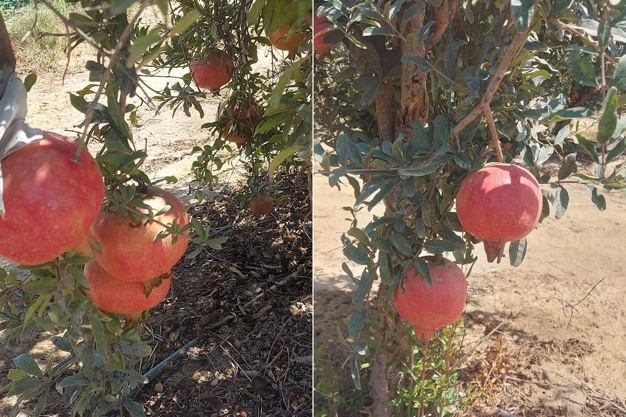
“The Egyptian weather in the past two months was hot, but still the pomegranate is being shipped with the right size and color. Due to the unstable weather conditions during flowering and fruit set, there is a visible size difference between the first and second generation of pomegranates. The first generation is larger, while the second is late in sizing. Harvesting the Wonderful variety starts late September, so we still have a couple of weeks for the fruits to grow in size. We expect the first generation fruits to be 600-700 grams each. We’re expecting at least 400 tons this year. Third of which are large sized fruits. Last year, we did not have this size.”
Demand is looking pretty solid, Salem emphasizes. A noticeable new market has been the fresh wholesale market in Hamburg, she explains. “We are getting a number of buyers from the domestic market and the Gulf region, but also got enquiries from Eastern Europe. During 2022/23, FinBi took part in a GIZ training for SMEs in Food and Agri sector. The Egyptian companies made contacts in the Hamburg fresh wholesale market. The buyers were asking about our pomegranates specifically.”
According to Salem the pomegranates that have been harvested are shipped as soon as possible, ensuring it’s as fresh as possible when being exported: “In particular this year, with the climate change witnessed all over, the fruits that are ready get sold right away. Even if quantities are lower, prices make up that situation. For pomegranates, Egypt competes with countries like Turkey, Israel, and Spain. A feature of our ‘Wonderful’ variety is its strong outer skin, meaning it will stay on trees for a good period up to the harvest, and sell it while it’s as fresh as it can be. A part of the harvest also stays in cold storage for the local and export markets until December. Egypt has a coding system for fruits including pomegranate, and our farm applies every year,” she concludes.
For more information:
May Salem
FinBi for Land Reclamation and Agriculture Development
Tel: +202 374 95 616
Email: [email protected]
www.natesngrapes.com