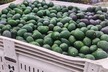
Coconuts are becoming an increasingly important product for fresh produce exporters in India. According to Kaushal Khakhar, CEO of Indian fresh produce exporter Kay Bee Exports, more and more importers look towards India when bringing in coconuts into their territory:
“In India, coconut is available round the year with a consistent high quality. The months of April to June are peak production, though availability is generally good in the other months as well. With such constant availability and quality, I feel India is an untapped but competitive country from where to source coconuts,” he states. “India is the largest coconut-producing country in the world. With a production of 19,247 million nuts in 2021-22, India grew 31.45% of the world’s total production. It has a robust domestic market and is now making its presence felt in the international markets too.”

Over the past few years, India’s export markets have increased. According to Khakhar Indian produce is becoming more popular, partly due to fast transit times to most European ports. “While India’s main export market used to be the Middle East, it has started shipping to all other countries too. Europe used to historically source its coconuts from African countries. This can largely be attributed to its close historical ties, as well as geographical proximity. However, due to various challenges faced in regards to their supply and quality consistency, Indian-origin fruits are more and more considered as a preferred option. Such achievement was possible by being able to guarantee not only volume and quality, but also fast transit times to most European ports, 20 to 25 days, and affordable sea-freight rates.”
Both farmers as well as traders have become more proficient at their job, resulting in better yield and quality, Khakhar explains: “Over the years, Indian farmers have become more and more progressive in their approach of growing conditions. Taking support from various agricultural universities and export promotion organizations, such as the Coconut Development Board of India, they innovate to balance and optimise both the volume produced and the quality of the product. For example, the adherence to minimum weights is assured by stringent quality control processes at the time of sorting and grading. Every cargo is optimally palletised to avoid breakage in transit. This, in addition to better shipping methods have led to better quality on arrival. This has helped India obtain a reputation as a reliable coconut supplier.”
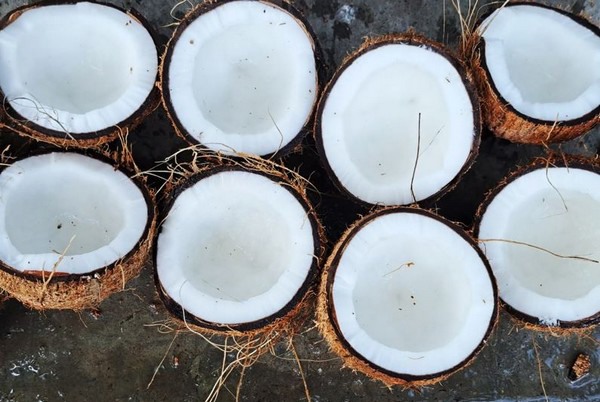
On the Indian domestic market, coconuts have also become more popular among consumers. Khakhar says that the pandemic definitely had a share in this increase in demand on the local market. “A sharp increase in the domestic demand for coconuts in India was witnessed ever since the Covid pandemic, thanks to the high health quotient of this fruit. It contains various minerals and nutrients such as potassium, sodium, Vitamin B, copper and others. It’s also low in carbs and rich in fibre, thus helping to better manage blood sugar levels. In order to ensure that such a growing demand is met, farmers have since developed new coconut farms or extended their existing farms leading to a steady rise in production volumes.”
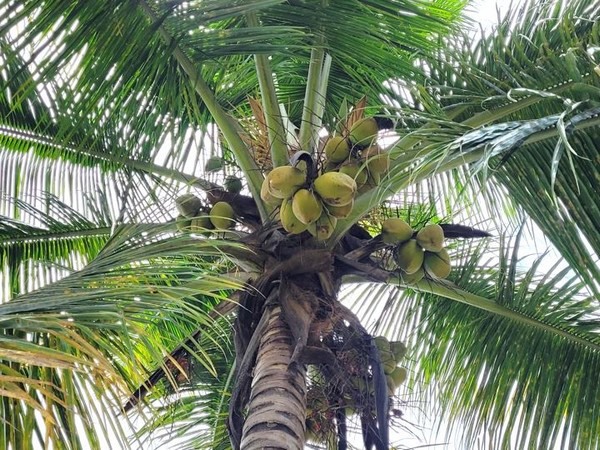
“While this product is a relatively new addition to our portfolio, we already see a good demand from European retailers and wholesalers, who are keen to engage on long-term programs. To comply with their quality requirements, our farms and packhouse are certified. We hope to be able to popularise Indian coconuts globally,” Khakhar concludes.
For more information:
Kay Bee Exports
Tel: +91 88 79 000 973
Email: [email protected]
www.kaybeeexports.com