A good mango should be creamy and sweet, its pulp melting into your mouth. Bansari Patel, a gardener and parent living in Wellington, grew up eating mangoes like these. She’s tried dozens of varieties, with Kesar mangoes being one of her favorites. Eating mangoes has always been a sensory experience for her. Growing up in Gujarat, India, she looked forward to the mango season all year, enjoying the succession of different varieties from when the weather warmed to the start of the monsoon season.
However, when she moved to Aotearoa at the age of 23, she found the mangoes there disappointing and expensive. “I’ve tried Mexican and American and Peruvian and Australian mangoes,” she says, referring to the export varieties that usually make it to supermarket shelves in New Zealand. “Compared to Indian mangoes, nothing comes close.” The mangoes she tried were “stringy” or “crunchy”. “They tend to be more sour, too,” she says. “After you eat them, you need to floss to get out the fibre in your teeth.”
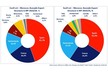
According to data provided to The Spinoff from MPI, only 1.3% (approximately 127 tons) of the mangoes imported into New Zealand since 2020 have come from India. Partially, that’s because most mangoes grown in India aren’t exported at all. Far and away the biggest producer, India grows 45% of the world’s mangoes, and most of those are eaten domestically, with just 32,745 tons exported in the 2022/23 financial year. The mangoes that do make it to New Zealand cost about $10 per fruit. While Patel has loved the Indian varieties she’s occasionally found here, it’s a pricey habit.
Source: thespinoff.co.nz