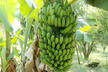
In order to round out its sustainability line, one importer has reintroduced the Selvática ripe bananas back into its lineup.
“These are a little different in that they have more certifications such as Rainforest Alliance certified. We carried them almost 10 years ago but our business is in a different place now and we wanted to bring them back in,” says Anthony Serafino of Exp. Group, LLC based in North Bergen, NJ. “We feel it’s a strong brand for the North American market.” For Exp. Group, it fits in with the company’s mission to gain supplies sustainably from growing regions.
Grown in Ecuador, the bananas are being introduced at a time when the banana market has proved difficult. “Bananas are short. This is the high season for bananas. They’re expensive. Naked, non-bagged fruit, boxed fruit is very scarce at the moment and some markets just don’t have enough,” says Serafino. “Couple that with the supply chain headaches that we’re seeing and overall, the importation of bananas is very difficult.”
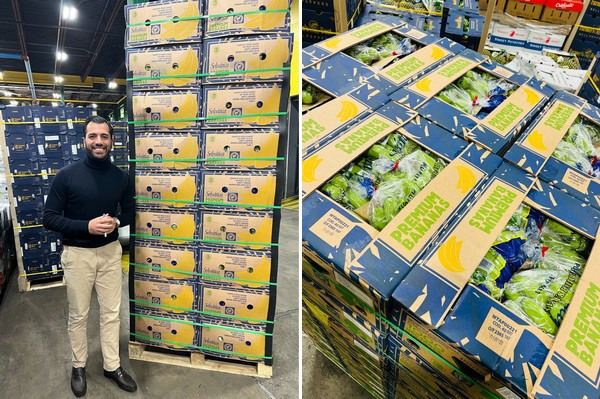 Anthony Serafino (above) says Exp. Group feels the Selvática banana fits in with the company’s mission to gain supplies sustainably from growing regions.
Movement of bananas
While the supply chain issues are influencing smooth movement of the fruit, even though it’s the low season, Serafino says supplies are steady. “I always feel like bananas are oversupplied,” he says. “Bananas are a year-round commodity that can be grown in Mexico, Guatemala, Honduras, Costa Rica, Panama even. There are many other countries growing them alongside Ecuador and Colombia. It’s just the constraints right now in getting the fruit here.” Multinationals are also pulling fruit from other regions to meet their supply needs, which also impacts movement.
Meanwhile, overall pricing is stronger on bananas, as it is with so many commodities. “Customers are just paying more for fruit and those prices are here to stay. And they need to stay given the rising costs. We’re looking for this to not just be a temporary spike in price. We’re looking at a long-term vision with this,” says Serafino.
 For more information:
Anthony Serafino
Exp. Group LLC
Tel: (+1) 201-662-2001
[email protected]
www.expgroup.us