You are receiving this pop-up because this is the first time you are visiting our site. If you keep getting this message, please enable cookies in your browser.
You are using software which is blocking our advertisements (adblocker).
As we provide the news for free, we are relying on revenues from our banners. So please disable your adblocker and reload the page to continue using this site. Thanks!
You are receiving this pop-up because this is the first time you are visiting our site. If you keep getting this message, please enable cookies in your browser.
But is close to extinction
Madagascan wild banana may be resistant to Panama Disease
A wild banana, found only on Madagascar, may hold the key to protecting the world's edible banana crop., However, the plant has just been put on the extinction list; on the island of Madagascar, there are just five mature trees left in the wild. Scientists say the plant needs to be conserved, as it may hold the secret to keeping bananas safe for the future.
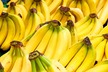
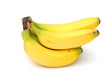
Most bananas consumed around the world are of a type known as the Cavendish, which is vulnerable to a plant pest called Panama disease. But the Madagascan banana has evolved in isolation on an island cut off from the mainland, and may have special properties.
Richard Allen, senior conservation assessor at the Kew Royal Botanic Gardens, said the species (Ensete perrieri) might have in-built tolerance to drought or disease. "It doesn't have Panama disease in it, so perhaps it has genetic traits against the disease. We don't know until we actually do research on the banana itself, but we can't do the research until it's saved."
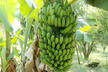
According to bbc.com, Kew scientists searched for the banana plant on Madagascar and found it was almost extinct in the wild.