You are receiving this pop-up because this is the first time you are visiting our site. If you keep getting this message, please enable cookies in your browser.
You are using software which is blocking our advertisements (adblocker).
As we provide the news for free, we are relying on revenues from our banners. So please disable your adblocker and reload the page to continue using this site. Thanks!
You are receiving this pop-up because this is the first time you are visiting our site. If you keep getting this message, please enable cookies in your browser.
Otago University Department of Food Sciences
NZ scientists chase dream of guilt-free hot chip
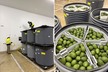
The University of Otago Department of Food Science this week began trialling a "Pulsed Electric Field" processing machine, which it hoped could turn French fries into a healthier, environmentally-friendly snack option. The PEF machine uses microsecond-long pulses of electricity to alter the microstructure of uncut potatoes.
This results in a more controlled release of sugar, a reduction in oil uptake and softening of the potato texture. This results in potatoes that are easier to cut, leading to reduced waste production, says food science Professor Indrawati Oey.
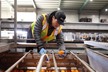
Professor Indrawati Oey of the Otago University is set to blast potatoes
with electricity in an effort to make healthier hot chips
Prof Oey: "It has quite a big impact in business performance, but more importantly, for the consumer, you can also reduce oil. It is already enough for us to have the fat content in the potato chips itself because we use quite a lot, and we eat quite a lot."
Prof Oey said potentially for PEF machine could enhance the quality of other foods. "This application for softening, you can also use for carrots, parsnips or most of the other vegetables we eat.”
According to odt.co.nz, the Ministry for Business and Innovation programme that introduced the new technology to the University of Otago is worth nearly $16.8 million over a six-year period. Massey University, the University of Auckland, Plant & Food Research, AgResearch, and the Riddet Institute are also involved in the programme.