A tropical fruit is defined as a crop grown in areas with a tropical or subtropical climate, which cannot withstand the cold and can be damaged or fail to develop properly when the temperature falls below 4 °C. In Spain, the autonomous regions of Andalusia, the Canaries or Valencia account for most of the subtropical crop production of the European Union due to their suitable climatic conditions.
Characteristics of subtropical crops
Spain has five million hectares of fruit crops that yield about 20 million tonnes, 4% of which correspond to subtropical crops. The demand for subtropical fruits has been on the rise in Europe, hence the expansion of the acreage devoted to these crops, especially in the east and south of the Iberian Peninsula, where they have become an alternative to the more traditional agricultural products.
These fruit crops have great advantages, because they have less environmental pressure, which makes organic production easier. At the same time, it is a step forward in the rural development of the production areas.
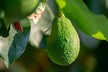
Avocados are the subtropical crop with the largest area, with 10,470 hectares and with a production of between 60,000 and 80,000 tonnes. Spain is a leading avocado producer in Europe, with a quality that stands out as a competitive advantage against its main competitors: Peru, Chile, South Africa or Israel.
The second most common subtropical crop is the cherimoya, with an area of 3,177 m2 and a production of between 20,000 and 50,000 tonnes. Spain is a world leader in the production of cherimoyas, since it has a very specific production area, namely the coast of Granada. Spain accounts for 80% of the world's production, with 3,200 hectares and 40,000 tonnes, which correspond entirely to Andalusia.
Organic subtropical crops
The ideal characteristics of the Mediterranean basin for this crop have allowed the region with the highest production, Andalusia, to also devote its resources to organic farming. In turn, the fact that the subtropical sector continues to grow exponentially has also attracted the attention of the organic industry.
The provinces of Granada and Malaga are the leading producers of organic tropical and subtropical crops, with La Axarquía accounting for most of the production, even though it is also expanding to areas of the Guadalhorce and the western coast. The province accounts for 70% of Andalusia's subtropical organic production, with 634 hectares certified and avocados as the most common crop. During the current campaign, nearly 700,000 kg of avocados and at least 1,000 tonnes of organic mangoes have been marketed. The price of this product is usually 30% higher than that of a conventional product.
The demand for food safety on the part of European consumers, the strict EU controls on marketing and the growing tendency to consume local and environmentally-friendly agricultural products have helped give a boost to Spanish organic subtropical productions. Subtropical Spanish crops thus have a competitive advantage in terms of quality and freshness.
The sector needs water
The main problem that the tropical fruit sector has to overcome in order to grow is the lack of water. Avocado crops are planted on 8,500 hectares, and mangoes, which can better withstand the lack of this resource, are grown on 1,500 hectares. Productivity in Spain, which amounts to 6,000 kilos of fruit per hectare, is the lowest in the world because there is little irrigation. The yields in Israel are between 12 and 14 tonnes greater per plot. The products are sold for higher prices than those of other countries, but "the profitability is very low."
On the west coast of Granada and eastern Málaga there are 10,000 hectares of soil where avocados could be planted, which would entail doubling both the production volume and the number of permanent jobs. But this does not happen because of the water deficit. Irrigation quotas are allocated to each crop depending on availability and the sector itself has proposed several solutions to which the Administration has not responded. Some proposals include the building of micro-dams to prevent excess rains from being poured into the sea, or pipelines to conduct the liquid to deposits where it can be stored.
A study from the University of Cadiz revealed that the Guadiaro River, whose source is in the Serrania de Ronda, pours about 700 cubic hectometres of water to the sea each year; and a similar volume is lost in the case of the Rules dam, due to the lack of pipelines to connect it to the western part of the coast of Granada. The sector would even be willing to pay the cost of a pipeline from this river to the swamp of La Viñuela, from where farms in La Axarquía extract their water. The cost of this would be covered in no more than eight or ten years. The demand for tropical fruits is growing at a sustained rate of 20%, and prices by 7%. The supply is growing, but not quickly enough, and that is leading to a loss in the market share.
Source: Revista Próxima