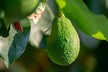
A bee shortage could stifle Western Australia's avocado industry as its growth continues to accelerate. This comes as Western Australia is on the verge of joining Queensland as the largest avocado-growing state.
According to Avocados Australia, the WA avocado crop has increased more than sevenfold over the past 10 years, from 3,000 tonnes a year to more than 22,000 tonnes a year and in the next five to 10 years that is anticipated to double again.
But the trees are extremely reliant on pollination to fruit, much like almonds and blueberries, and there are concerns there are not enough beekeepers in WA involved in pollination services to sustain industry growth.
In Western Australia there are about 1,800 registered beekeepers, with just 70-80 of them of a commercial size. And people in the industry estimate just 20 of them would be involved in pollination services.
Manjimup avocado grower Stewart Ipsen, who manages one of WA's largest avocado orchards, said he was concerned the industry was going to run into trouble in the near future.
The concerns for pollination are understood to affect larger growers more, as smaller growers can often get away with feral bees pollinating their crop.
Mr Ipsen said he had managed to secure enough bees to support his business's growth for the time being. But he said if the industry was going to continue to grow, it needed to shore up supply.
"The main thing is sustainability and being able to maintain it," he said.
To overcome the supply demand, Horticulture Innovation Australia and Plant and Food Research New Zealand have been working out what other insects can be used for pollination.
Plant and Food Research New Zealand research scientist Brad Howlett said that way they could find ways to not rely so heavily on bees.