"Scottish potato growers learn that "less is more"
The message being given at the AHDB’s Strategic Potato open day at Meigle in Perthshire on fertiliser follows on from revelations earlier in the year from the project that by reducing tillage depth and doing away with the “recreational pastime” of bed tillage, growers could save costs and increase overall yields and the weight of the crop which is packed out.
Dr Mark Stalham from the National Institute of Agricultural Botany said that by reducing the amount of later nitrogen applied to the crop, the plants were less likely to put so much into growing green foliage later into the season, allowing the crop to senesce naturally.
Potato producers dig in to cut costs and boost yields, Stalham said that less nitrogen also let the crop reach the later stages in its physiological development – meaning skin set and other storage factors also stood to benefit from lower N rates.
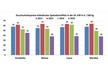
“And while there is always a risk that by reducing nitrogen rates the crop might yellow off too early and not reach its full yield potential, out of 77 site trials, we have only found this to be the case in two of the trials."
“So while the application of additional nitrogen might be viewed as an insurance policy – when it’s only likely to pay out less than one year in ten, the savings and additional yields offered by cutting back on the nitrogen applications look to be a worthwhile gamble.”
Read more at scotsman.com